Mature trees in Bow, NH should generally be inspected by a tree care professional at least once a year, particularly when they stand near houses, driveways, walkways, or other frequently used areas. We also recommend additional inspections after major wind or ice storms, construction near the roots, or sudden changes such as a new lean, trunk crack, or substantial branch dieback. A tree’s condition and location ultimately determine how often it needs attention.
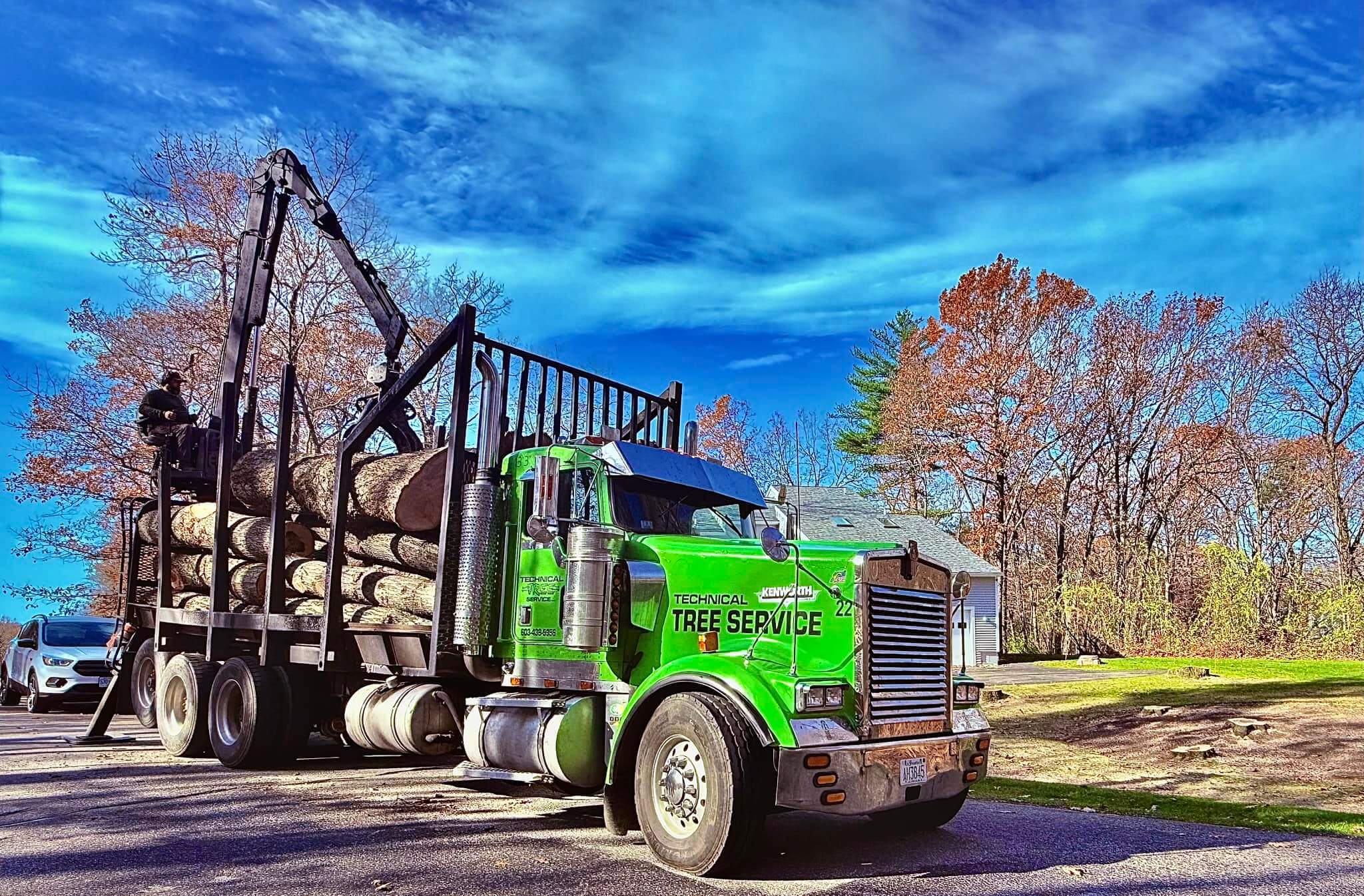
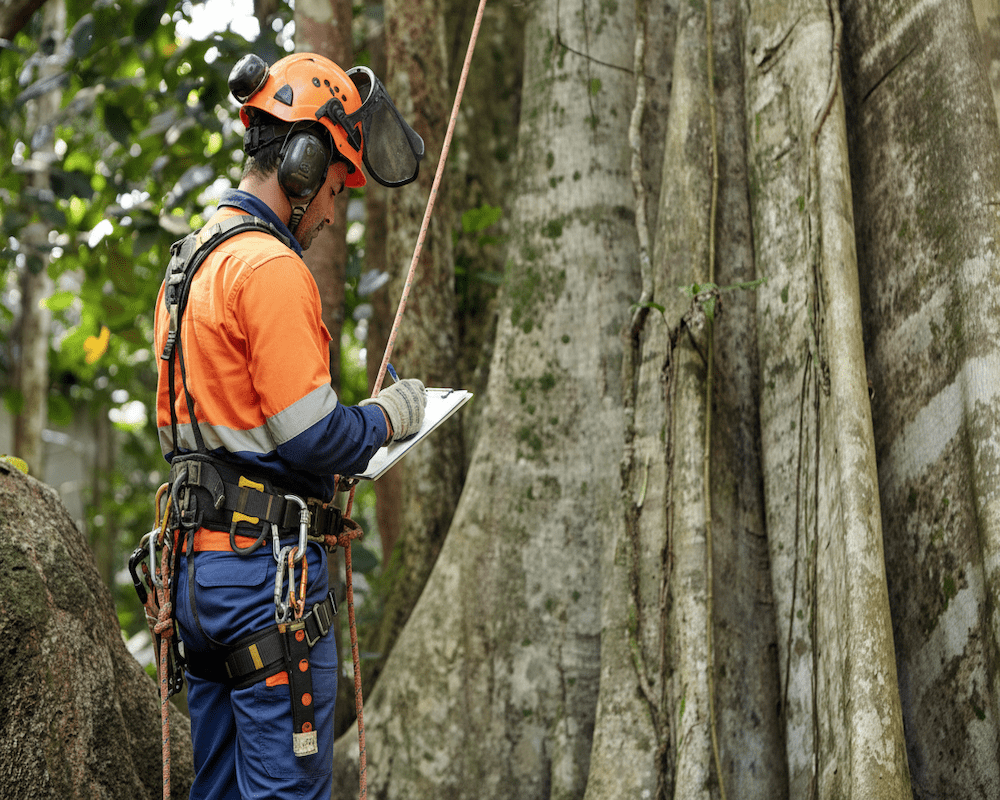
At Technical Tree Service, we provide tree maintenance, health assessments, inspections, and removal services in Bow, Concord, and surrounding southern New Hampshire communities. When we evaluate a mature tree, we consider its structure, growing conditions, and what surrounds it before recommending the next step.
A large maple that has remained stable for years may need routine monitoring. An oak with a developing crack above the driveway may require a different inspection schedule. We want the timing to reflect what is happening with the tree rather than treating every property the same way.
Is One Tree Inspection Per Year Enough?
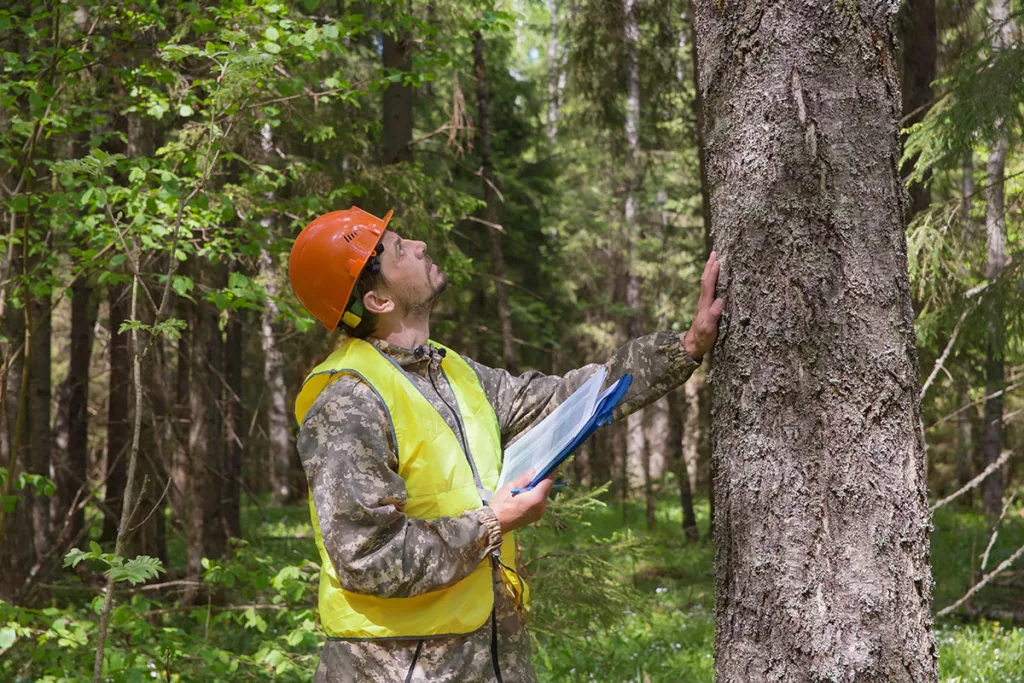
For many mature residential trees, an annual professional inspection is a reasonable starting point.
It provides an opportunity to compare the tree’s condition with previous years, look for changes in its structure, and identify maintenance needs before they become more difficult to address.
But annual inspection is not a fixed rule for every tree.
A healthy tree in an open section of woodland may have fewer consequences if a branch falls than a similarly sized tree over a garage or outdoor seating area.
A tree with an existing structural defect may need closer monitoring, even when no new damage is obvious.
We recommend establishing an inspection interval based on the tree’s condition, the surrounding property, and any earlier findings.
Our tree maintenance services in Bow, NH include evaluating canopy structure, root-zone conditions, visible defects, and seasonal maintenance needs.
Which Mature Trees Need More Frequent Inspections?
The trees that deserve the most attention are not necessarily the oldest or tallest.
We consider both the likelihood of a problem and what could be affected if part of the tree failed.
A large branch extending over a frequently used driveway presents a different concern from a similar branch above an unused section of the yard.
Some trees also have known conditions that justify follow-up inspections.
| Tree Condition | Inspection Approach |
|---|---|
| Healthy mature tree near a house or driveway | Annual professional inspection is a practical starting point |
| Healthy tree in a low-use wooded area | Periodic evaluation based on site conditions and the owner’s objectives |
| Tree with a known crack, cavity, or weak branch attachment | Follow the reassessment schedule established after professional evaluation |
| Tree that recently lost a major limb | Prompt inspection of the remaining structure |
| Tree affected by excavation or soil disturbance | Assessment after disturbance, with follow-up based on findings |
| Tree with sudden leaning or visible root movement | Urgent evaluation; keep people away from the potential fall area |
The intervals in this table are planning guidance rather than a promise that a tree will remain unchanged until its next appointment.
Why Do Mature Trees Need Regular Inspections?
Mature trees can develop defects gradually.
Old pruning wounds may be associated with internal decay. Large branches can increase in weight as they grow. Roots may be affected by changes in drainage, excavation, or repeated traffic over the soil.
These changes do not always produce obvious symptoms in the leaves.
A tree may have a green crown while a major branch union is deteriorating. Conversely, a tree with some dead twigs may have a manageable health problem rather than a serious structural defect.
That distinction matters when deciding what work is appropriate.
Our tree health assessment service addresses visible changes in foliage, branch condition, trunk structure, root health, and growing conditions.
When a defect is identified early, there may be more options for evaluating, monitoring, or managing it. Some conditions remain manageable for years; others may call for faster action.
What Do We Look for During a Mature Tree Inspection?
We examine the tree as a whole, rather than judging its condition by the leaves alone.
The assessment begins with the surrounding property and continues through the accessible root area, trunk, major branches, and crown.
Roots and soil conditions
We look for visible changes around the base, including raised soil, exposed roots, unusual settling, and evidence of damage near the root flare.
Root anchorage affects the stability of the entire tree.
Excavation, soil compaction, changes in drainage, and root deterioration can create concerns that are not immediately visible aboveground.
A newly leaning tree accompanied by soil lifting deserves prompt assessment.
Trunk and branch attachments
Cracks, cavities, decayed areas, old wounds, and multiple stems are among the features we evaluate.
A cavity does not automatically mean the tree needs removal. The remaining structural wood, location of the defect, and surrounding conditions all matter.
We also examine major branch unions for visible separation, cracking, and other structural concerns.
Canopy and foliage
We look for dead or broken branches, changes in leaf density, unusual dieback, and sections of the crown that appear different from previous growing seasons.
A thinning canopy may reflect drought stress, root damage, insects, disease, or other problems.
We would not diagnose the cause based on thinning alone.
Surrounding property
The same defect can require different management depending on where the tree stands.
We consider roofs, walkways, driveways, parking areas, neighboring structures, and other locations where people spend time.
The inspection helps determine both the condition of the tree and the consequences of a potential failure.
Should Mature Trees Be Inspected After Every Storm?
Not every rain shower or ordinary windy day requires a professional visit.
After a significant storm, however, we recommend checking trees from a safe location for new damage.
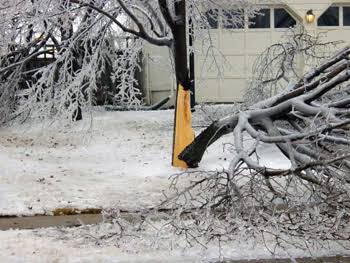
Heavy wet snow, ice, strong wind, and saturated soil can affect different parts of a tree.
Branches may crack without falling. Large limbs can become suspended in the crown. Roots may shift while the trunk remains standing.
New Hampshire’s weather makes post-storm observation particularly relevant for mature shade trees near buildings.
The University of New Hampshire Extension advises caution with damaged trees and recommends professional help when large limbs, unstable trunks, or hazardous working conditions are involved.
Which storm damage requires prompt evaluation?
Contact a tree professional when you notice a large hanging branch, a fresh trunk split, significant root movement, or a tree that has suddenly changed position.
Do not stand under damaged branches or attempt to pull them down with a rope.
If electrical wires are involved, stay away and contact the utility. Call 911 for an immediate electrical emergency.
Our storm damage cleanup service addresses fallen trees and broken material when professional removal and cleanup are needed.
After the immediate hazard has been addressed, the remaining tree may still need an assessment to determine whether additional work is appropriate.
What Changes After Construction Near a Mature Tree?
We recommend reassessing mature trees when work has disturbed the soil around their roots.
Common examples include driveway replacement, trenching for utilities, foundation work, changes in grading, and equipment operating repeatedly over the root area.
Roots can be damaged without the trunk being touched.
Excavation may sever structural or absorbing roots. Heavy equipment can compact the soil, affecting the movement of water and air. Changes in drainage can alter growing conditions.
The effects may not appear immediately in the crown.
A tree that looks healthy shortly after construction may still need monitoring for changes over the following growing seasons.
Before beginning substantial excavation near a mature tree, we recommend discussing the work with a qualified tree professional so that avoidable root damage can be considered during planning.
What Warning Signs Should Bow Homeowners Watch For?
Between professional inspections, homeowners can look for changes from the ground without climbing or disturbing the tree.
Pay attention to conditions such as:
- A new or increasing lean, especially with cracked or lifted soil
- Large dead branches or broken limbs still hanging in the crown
- Fresh cracks in the trunk or major branch unions
- Mushrooms or other fungal growth around the base
- New cavities, exposed wood, or sections of missing bark
- Unusual canopy thinning or premature leaf drop
- Changes following excavation, paving, or heavy equipment activity
- Branches that have begun contacting a roof or other structure
These observations do not automatically mean the tree should be removed.
For example, mushrooms growing near a trunk can be associated with different fungi, not all of which have the same implications for structural stability.
A branch that is dead may need pruning, while sudden soil movement around the roots presents a different level of concern.
We recommend having the specific condition evaluated rather than relying on a symptom checklist to diagnose the tree.
Does an Older Tree Need to Be Removed Because of Its Age?
No. Age alone does not determine whether a tree should be removed.
Some mature oaks and maples remain structurally suitable for many years. Other trees may develop problems earlier because of species characteristics, site conditions, past damage, or root disturbance.
We look at the actual condition of the tree.
Large size can increase the consequences if a major branch fails, particularly near a building. That makes inspection and maintenance planning worthwhile, but it does not make every mature tree dangerous.
Our goal during an evaluation is to understand whether the tree can reasonably be retained and what management it may need.
Can an Annual Inspection Prevent Tree Failure?
An inspection can identify many visible defects and provide information for managing tree risk.
It cannot eliminate every possibility of failure.
Wind, saturated ground, hidden decay, and other conditions can contribute to unexpected damage, including in trees that previously appeared healthy.
An inspection reflects the tree’s condition at a particular time, within the limits of what could be observed.
Some situations may require closer investigation or a shorter reassessment interval.
We recommend treating the annual inspection as part of property maintenance while continuing to watch for changes between visits.
Is a Tree Health Assessment the Same as a Tree Risk Assessment?
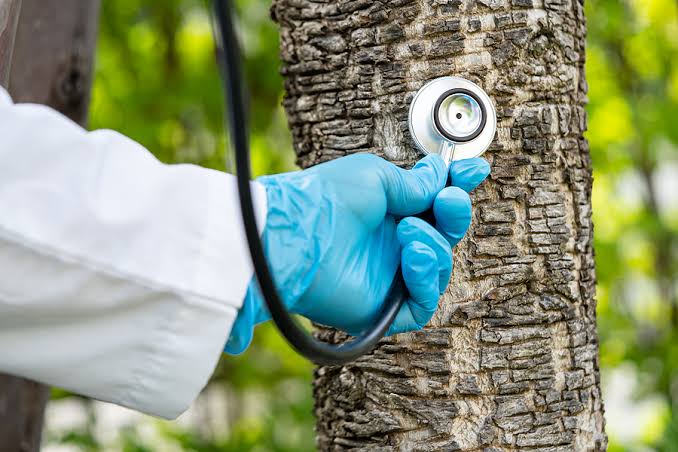
They overlap, but the objectives can be different.
A tree health assessment considers symptoms such as poor growth, thinning foliage, pest activity, root stress, and declining vigor.
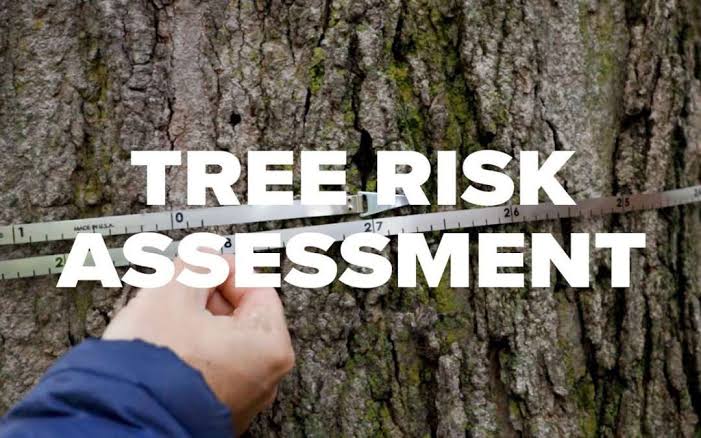
A tree risk assessment focuses on possible structural failure, what could be struck, and the likely consequences within an identified assessment period.
A tree can be healthy and still have a structural defect. Another can be declining in health without creating the same level of immediate risk to people or property.
We need to understand which question the homeowner wants answered.
A basic visual evaluation may also differ from a formal written risk assessment requiring a defined methodology and additional documentation.
Our tree consultation services provide a way to discuss the concern and clarify the type of evaluation needed.
If you require a specific written report or credentialed tree risk assessment, confirm that scope and the applicable qualifications before scheduling.
What Happens After a Tree Inspection?
The next step depends on what the evaluation finds.
Some trees may need no immediate work beyond periodic observation.
Others may benefit from targeted pruning, changes to root-zone care, or removal of damaged branches.
A tree with substantial structural deterioration may need to be considered for removal, particularly when it stands near occupied areas.
We aim to connect the recommendation to the observed condition rather than proposing the same work for every mature tree.
When pruning may be appropriate
Selective pruning can address certain dead, broken, or poorly positioned branches.
It may also help manage specific structural concerns when enough sound wood remains.
Pruning should have a defined purpose. Removing large amounts of living canopy without a clear objective can create additional stress.
When removal may be appropriate
Removal becomes a consideration when serious defects cannot reasonably be managed while retaining the tree.
Extensive root failure, major trunk splitting, or advanced structural deterioration may limit the available options.
Our tree removal services address damaged and declining trees when the assessment supports that recommendation.
The decision should account for both the condition of the tree and its surroundings.
What Is the Best Season to Inspect Mature Trees in New Hampshire?
There isn’t one month that works best for every inspection objective.
During the growing season, foliage condition can help reveal stress and canopy dieback.
After leaf drop, the branch framework of deciduous trees becomes easier to observe, including major attachments and certain structural defects.
Early spring can provide an opportunity to check for winter damage before the crown is fully leafed out.
We recommend choosing a regular annual inspection period that fits the tree and then arranging additional evaluations when circumstances change.
If a trunk crack appears in July or a tree begins leaning after a January storm, we would not wait for the preferred inspection season.
How Can You Monitor Mature Trees Between Inspections?
You don’t need to climb a tree or inspect it with tools to notice changes.
One useful approach is to take photographs from the same safe locations each year.
For example, a photograph of the entire crown during the growing season can help show whether foliage density changes over time.
Another photograph may document an established lean or an old wound so that new movement or deterioration is easier to recognize.
Keep a record of major pruning, storm damage, excavation, and previous assessment recommendations.
These observations give us more context when evaluating a tree later.
If you notice sudden changes, arrange an assessment rather than waiting for the next scheduled annual inspection.
How Much Does a Mature Tree Inspection Cost in Bow, NH?
The cost depends on the type and scope of evaluation requested.
Looking at one mature tree to discuss maintenance may involve a different service from assessing numerous trees on a commercial property or preparing a formal written risk report.
Technical Tree Service advertises free estimates for tree work.
That should not be interpreted as confirmation that every specialized inspection, written report, or advanced assessment is free.
When contacting us, explain how many trees are involved, what concerns you, and whether you need a maintenance estimate or a specific assessment document.
We can clarify the scope before the visit.
Tree Maintenance in Bow and Concord, NH
Technical Tree Service is based in Bedford, New Hampshire, and serves residential and commercial properties in Bow, Concord, and surrounding southern New Hampshire communities.
Our services include tree maintenance, health evaluations, consultations, pruning, removal, and storm-related work.
For property owners with mature trees in the Concord area, our tree maintenance services in Concord, NH address structural observations, crown condition, root-zone care, and planned maintenance.
Our tree service in Bow, NH also covers pruning, removal, and property-specific tree care needs.
If you’re unsure which service fits your situation, our guide to the types of tree service and when you need them explains how inspections, trimming, removal, and other services differ.
Schedule a Mature Tree Inspection in Bow, NH
If you have mature trees near your house, garage, driveway, or another regularly used part of your property, we recommend making professional evaluation part of your maintenance plan.
For many of those trees, an annual inspection is a practical starting point. A new crack, recent storm damage, visible root movement, or changes in the canopy may call for attention sooner.
At Technical Tree Service, we evaluate tree condition and surrounding property features before recommending maintenance or removal.
Call (603) 438-5956 to discuss how often to inspect trees in Bow, NH and request an assessment.
Tell us approximately how many trees are involved, where they stand, and whether you’ve noticed changes in their condition. We can review your concerns and discuss an appropriate inspection and maintenance plan for the property.