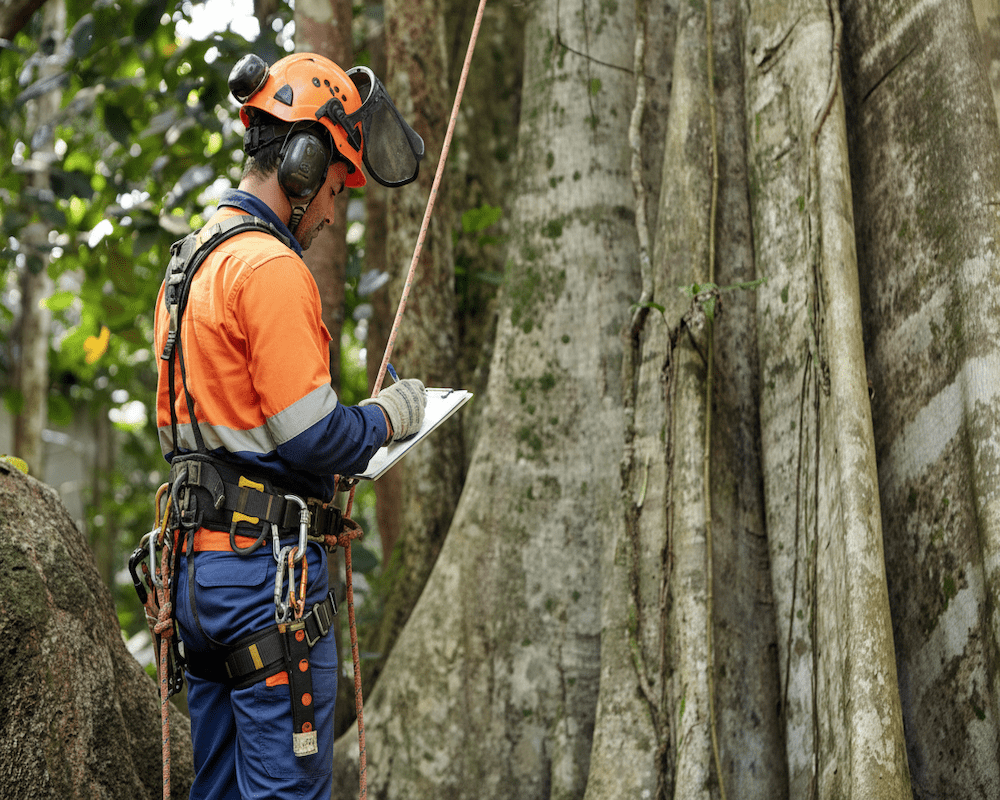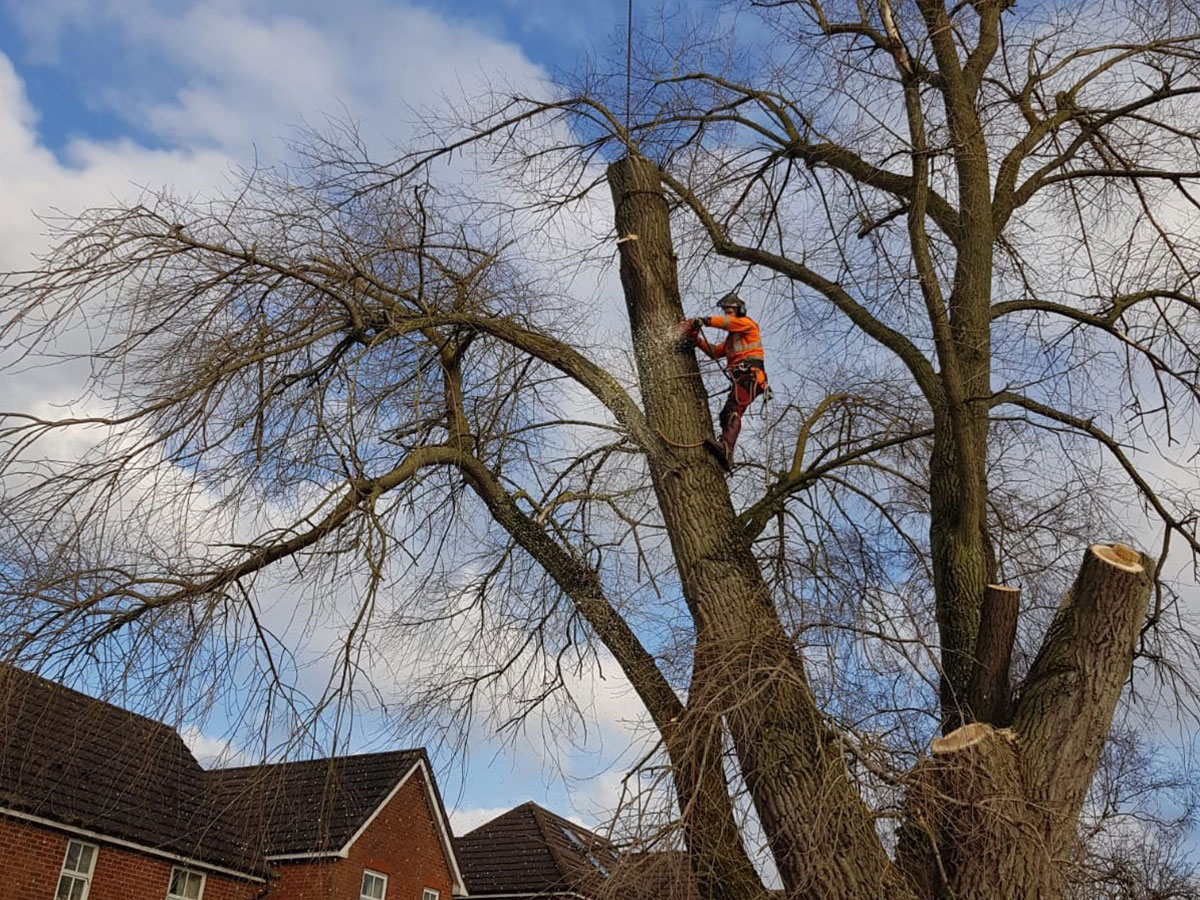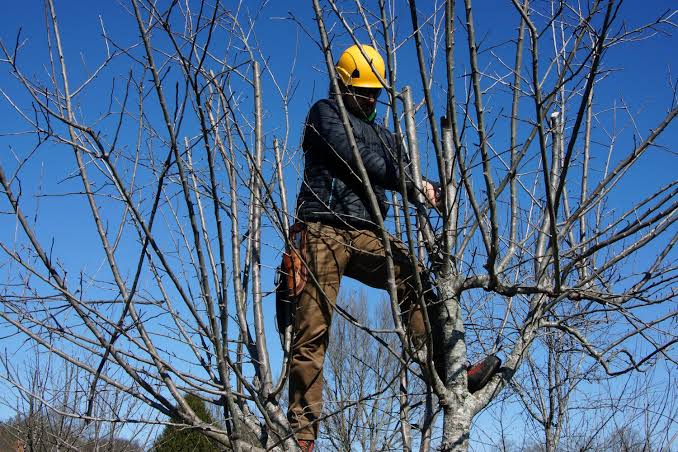
Late-winter tree maintenance in Manchester, NH should start with an inspection of branches, trunk attachments, roots, and soil conditions before spring growth begins. From late February into March, leafless deciduous trees make it easier to spot broken limbs, cracks, deadwood, and structural changes left by snow, ice, and wind. We also recommend checking evergreens for winter injury and young trees for damaged bark or constricting ties. Some problems can be addressed before spring; others are better evaluated once new growth appears.
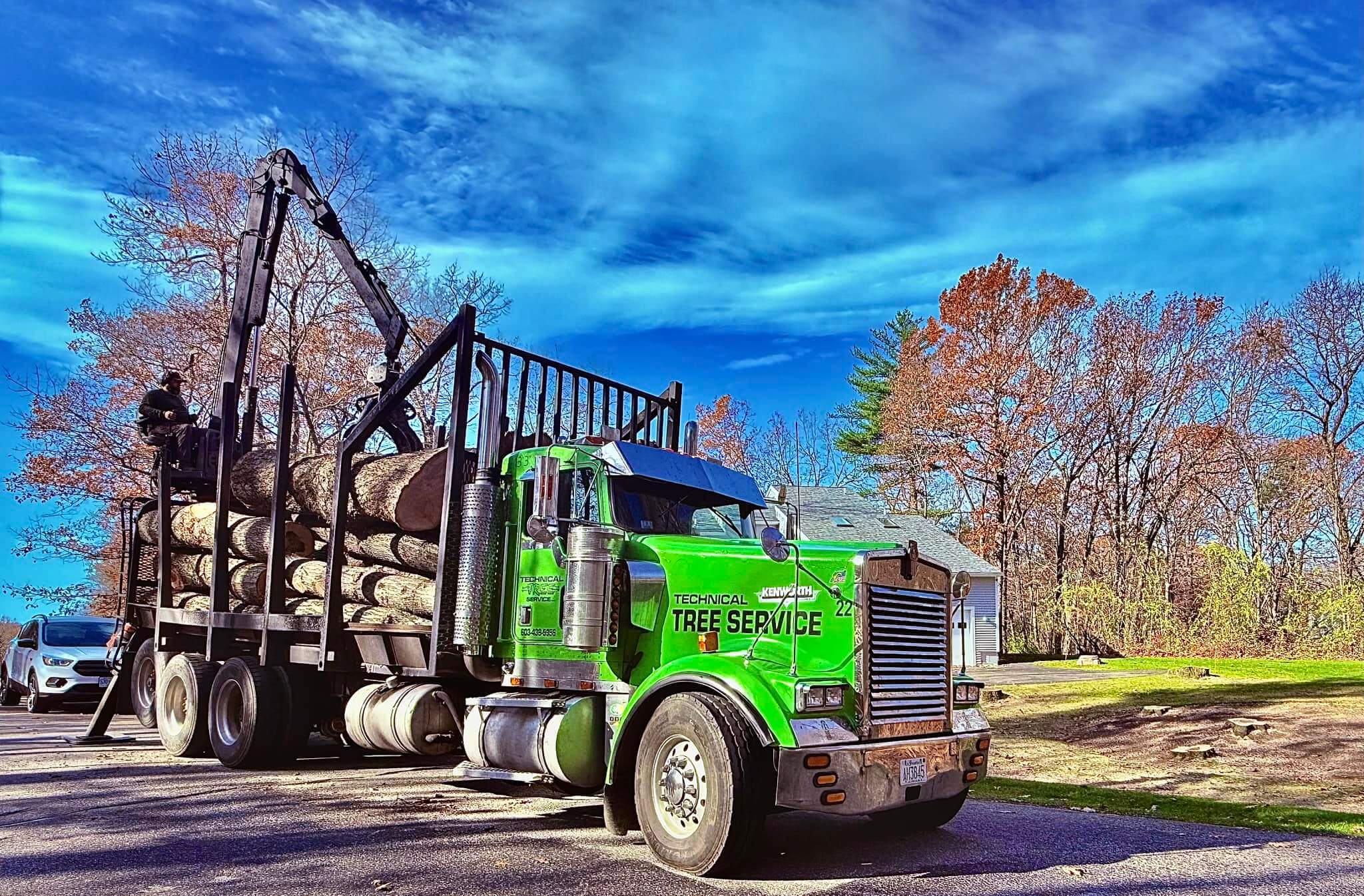
At Technical Tree Service, we provide tree maintenance in Manchester, NH and surrounding southern New Hampshire communities. Our work includes inspections, pruning, tree health evaluations, and removal when a tree’s condition warrants it.
We recommend beginning with trees near buildings, driveways, parking areas, and frequently used walkways. A broken branch above a front entrance deserves attention before a similar branch lying on the ground in an unused part of the yard.
Why Late Winter Is a Good Time to Inspect Trees in Manchester
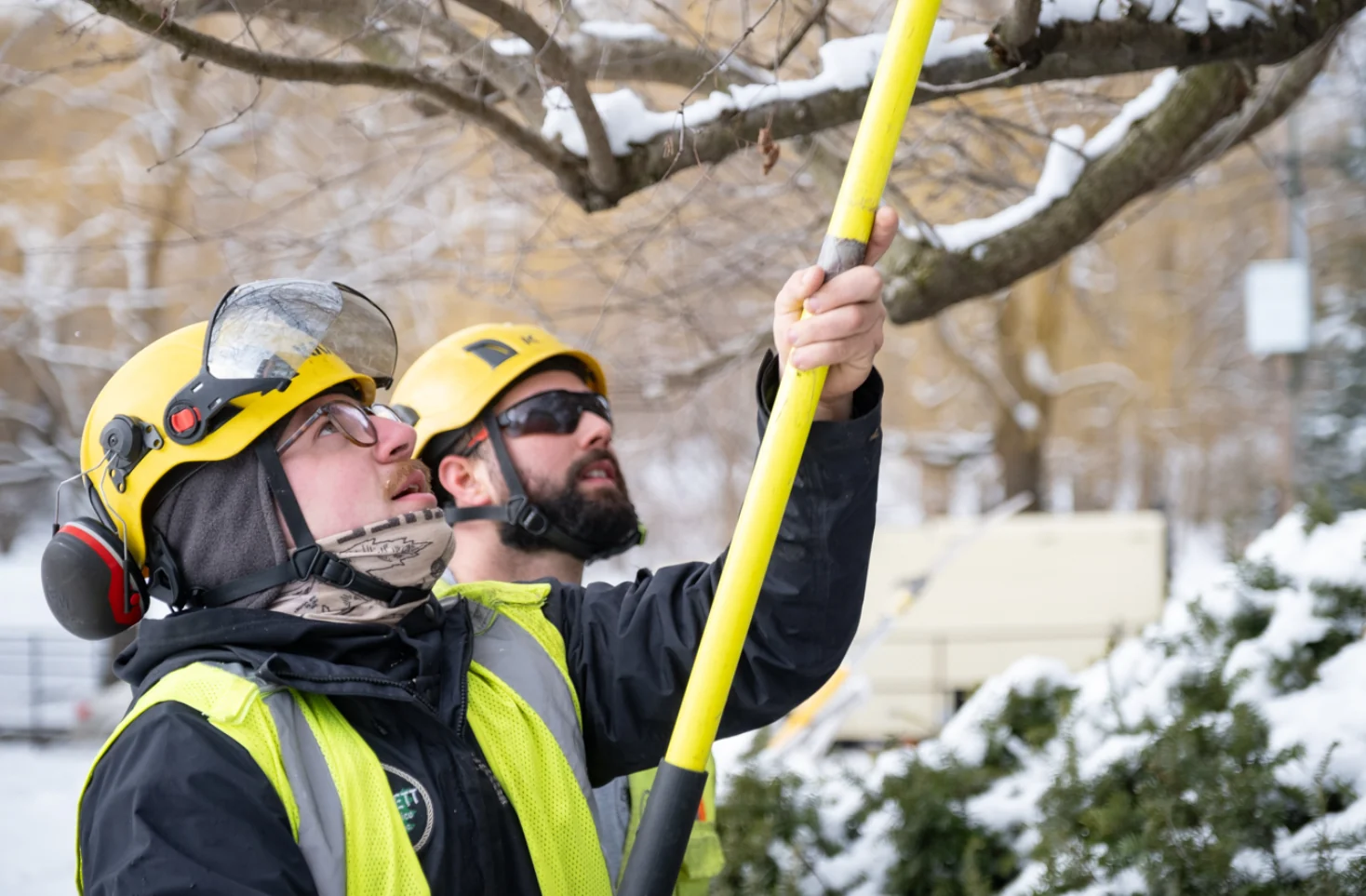
Deciduous trees are easier to examine when their branches are bare.
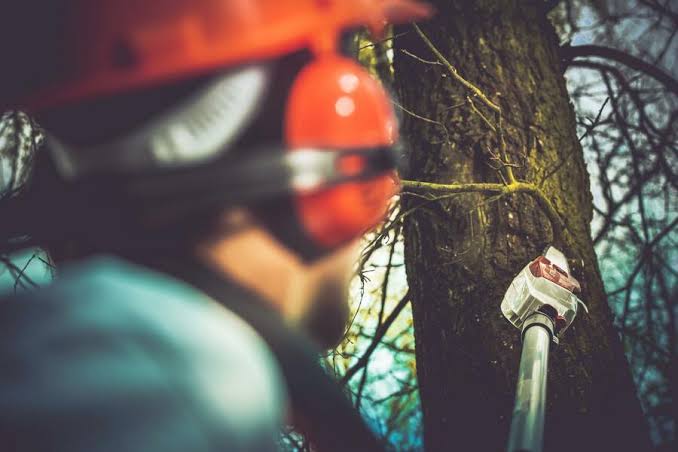
Without foliage, we can see major branch attachments, changes in crown shape, broken wood, and areas where branches rub against each other.
Late winter also provides an opportunity to assess damage from earlier storms before spring growth makes some structural defects harder to see.
For New Hampshire properties, however, the exact timing matters. February can still bring severe cold, frozen ground, and additional ice or snow. Some planned pruning is better scheduled closer to the end of dormancy, when the worst winter temperatures have passed.
The University of New Hampshire Extension identifies the late dormant season as a useful pruning period while distinguishing routine pruning from the removal of broken or hazardous branches.
We use this time to decide which work should be prioritized, which work can be scheduled, and which conditions need observation as temperatures rise.
1. Look for Broken or Hanging Branches
Start by looking upward from a safe location outside the tree’s potential fall area.
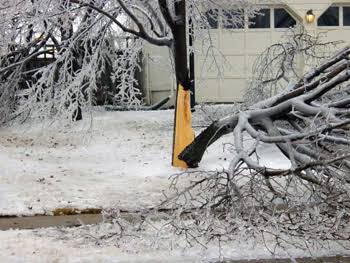
Heavy snow, freezing rain, and wind can break branches without bringing them all the way to the ground.
A limb may remain lodged against another branch or attached by a small strip of wood. These suspended sections can shift later, even after the storm has passed.
We pay particular attention to damaged wood above roofs, driveways, sidewalks, parking areas, and outdoor entrances.
Do not stand beneath a hanging branch to examine its attachment. Avoid trying to pull it down with a rope or reach it from a ladder.
If a large broken limb threatens an occupied area, arrange prompt professional attention rather than waiting for the normal pruning schedule.
Our storm damage cleanup services address fallen trees and broken branches when professional removal and cleanup are needed.
2. Check Major Branch Unions and Changes in Crown Shape
Next, look at the points where large branches connect to the trunk and where a tree divides into two or more major stems.
Snow and ice can place substantial loads on branches. When those loads are uneven, a weak attachment may crack or begin to separate.
We look for new openings, split wood, and changes in the position of major branches.
A branch that suddenly hangs lower than it did last summer may have been damaged, even if it has not broken completely.
Older photographs can help show whether the crown’s shape has changed.
Are crossing branches always a problem?
No. Branches can cross in a tree’s crown without requiring immediate removal.
But when branches rub against each other, bark can be damaged, and one branch may develop an undesirable attachment or position as the tree grows.
We consider whether selective pruning would address a specific concern without unnecessarily removing healthy wood.
A mature tree does not need every crossing branch removed simply because its structure is visible during winter.
3. Identify Deadwood Without Assuming Every Bare Branch Is Dead
Dead branches are easier to notice during the growing season when they fail to produce leaves, but the dormant season can reveal broken tips, old wounds, and obviously deteriorated wood.
We look for branches with missing bark, longstanding decay, or visible breaks.
Small twigs may be difficult to assess in winter because healthy deciduous trees are naturally leafless.
If a branch’s condition is uncertain and it does not create an immediate hazard, it may be reasonable to wait until spring leaf-out before deciding how much pruning is needed.
Deadwood removal can reduce the amount of loose material in the crown, particularly over regularly used areas.
Our tree trimming services in Manchester include selective pruning based on the tree’s condition and the property’s needs.
4. Examine the Trunk for Cracks, Wounds, and Bark Damage
Winter is a useful time to examine the trunk from the ground.
Look for fresh vertical cracks, damaged bark, newly exposed wood, and changes around large branch attachments.
Temperature fluctuations can contribute to bark and trunk injuries in some trees. Snow-removal equipment and wildlife may also damage the lower trunk.
Not every vertical line in the bark is a new crack. Some mature species naturally develop deep furrows or longstanding seams.
We want to know whether the feature is new, whether it extends into structural wood, and whether decay or other damage is present.
What about cavities and fungal growth?
A cavity does not automatically mean removal is necessary.
Likewise, mushrooms in nearby mulch are not proof that the tree’s supporting roots have decayed.
Fungal brackets growing directly from the trunk or major roots deserve closer attention because some fungi are associated with wood decay.
We consider the location of the growth and the condition of the surrounding wood before interpreting what it means.
A green crown in spring cannot rule out a structural defect in the trunk.
For more information about how health and structural condition differ, see our tree health assessment service.
5. Check the Root Zone for Heaving, Standing Water, and Soil Changes
Winter conditions can make the ground difficult to evaluate. Frost heave, snowbanks, plowing, and thawing soil may alter the appearance of the area around a tree.
Look for cracks in the ground, newly exposed roots, raised soil near the trunk, or signs that the tree has shifted position.
A new lean following a windstorm is different from an established lean that has been present for years.
If a mature tree has recently moved and could reach a building or driveway, keep the area clear and arrange an assessment.
Do not try to straighten the tree with a vehicle or rope.
Does standing water mean the tree has root rot?
Not necessarily.
Water may collect temporarily during snowmelt or when deeper soil is still frozen.
Persistent poor drainage is a different concern, particularly when the same area remains saturated well into the growing season.
We consider site grading, drainage patterns, recent construction, and other conditions that may affect root health.
Roots also need oxygen. Adding more water to already saturated soil can make conditions worse.
6. Look for Salt Damage Near Streets and Driveways
Road salt and deicing products are worth considering on Manchester properties near streets, sidewalks, and commercial parking areas.
Salt spray may affect evergreen foliage, while runoff and repeated snow storage can change conditions in the soil.
Damage may become more visible near the end of winter or during spring growth.
Watch for browned evergreen foliage facing the road, declining shrubs near plowed snow piles, and recurring problems along the same edge of a landscape.
These symptoms have other possible causes, so we don’t diagnose salt injury from brown foliage alone.
If snow from a treated parking lot has repeatedly been pushed onto a planting bed, tell us. That history helps when evaluating the condition of nearby trees and shrubs.
We recommend keeping future snow storage and salt application away from sensitive planting areas where practical.
7. Inspect Evergreens for Winter Burn and Snow Damage
Arborvitae, pines, spruces, and other evergreens can show winter injuries that differ from the problems seen on leafless deciduous trees.
Snow loads can spread branches apart or cause them to split. Winter sun and drying winds can also contribute to browning when the ground is frozen and roots cannot replace lost moisture.
Not all brown foliage indicates that the entire branch is dead.
The UNH Extension guidance on winter damage recommends allowing new growth to reveal the extent of some winter injuries before pruning heavily.
Should brown arborvitae be cut back immediately?
We recommend waiting to determine which portions remain alive unless a branch is clearly broken or presents an immediate hazard.
Many evergreens have limited ability to produce new growth from older, bare wood.
Cutting deeply into that wood can leave a permanent opening in the plant.
For winter-browned evergreens, assessment after spring growth begins may provide a better indication of which areas are capable of recovery.
We would not treat all winter discoloration as a reason to remove the plant.
8. Check Young Trees for Damaged Leaders, Stakes, and Ties
Young trees can be affected by snowbanks, wind, frost movement, and animals feeding on bark.
Look for a broken central leader, newly tilted trunk, and ties that have become tight around the bark.
Staking systems should be checked to determine whether they are still needed and whether they allow appropriate trunk movement.
A tie that has begun cutting into the bark can interfere with growth.
We also recommend looking near the base for damage from rabbits, rodents, or equipment.
A young tree that has lost bark around much of its circumference may have a more serious problem than one with a small superficial wound.
Do not try to force a frozen or partially uprooted young tree upright without understanding its root condition.
Its stability and the season may affect what can be done.
9. Look for Overwintering Pests Without Guessing the Species
Some insects survive the winter as eggs, larvae, or other dormant stages on bark, branches, and nearby surfaces.
When inspecting accessible parts of a tree, look for unusual egg masses, clusters of scale insects, holes, or accumulated debris that appears out of place.
These observations can be worth documenting, but they do not identify the insect on their own.
Many insects found on trees are harmless or have little effect on the tree’s health.
We recommend identifying the organism before deciding whether treatment or removal of material is appropriate.
A broad pesticide application based on an unidentified egg mass is not a sensible response.
If you notice repeated canopy problems or unusual activity around a tree, our tree consultation services provide a starting point for discussing the condition and next steps.
10. Review Mulch, Soil Moisture, and Previous Maintenance
Check whether mulch has accumulated against the trunk.
A broad, relatively shallow mulch area can help protect roots and conserve moisture, but material piled directly against the bark may retain unwanted moisture at the base.
We recommend keeping the root flare visible and moving excess mulch away from the trunk.
Late winter is also a good time to review what happened to the tree during the previous growing season.
Did it lose leaves early? Was the driveway excavated? Did a storm break a large limb? Was a nearby tree removed?
Those details can help explain changes that appear in spring.
Should you fertilize trees before spring?
We wouldn’t recommend fertilization automatically.
Some trees may benefit from addressing a confirmed nutrient deficiency or unsuitable soil condition. Others may be struggling because of root injury, drought, or drainage problems that fertilizer cannot correct.
Our maintenance evaluations can consider soil and root-zone conditions before recommendations are made.
Soil testing may be appropriate when nutrient or pH problems are suspected.
Should you water trees during late winter?
The need depends on the weather, the tree, and soil conditions.
Frozen or saturated soil does not benefit from routine watering simply because the calendar says February or March.
During an extended dry period when the ground has thawed and can absorb water, some recently planted or moisture-stressed trees may need attention.
We recommend checking actual soil moisture and drainage rather than applying a fixed watering schedule to every property.
What Tree Work Should Be Done Before Spring, and What Can Wait?
Late winter is useful for identifying work, but the correct timing depends on what has been found.
| Condition | Recommended Timing |
|---|---|
| Large hanging branch over a driveway or entrance | Prompt professional attention; do not wait for spring |
| Fresh trunk split or root movement threatening a structure | Urgent assessment and restricted access to the affected area |
| Clearly dead or broken branches | Professional pruning as appropriate, with priority based on location |
| Routine structural pruning of a dormant deciduous tree | Often suitable near the end of dormancy, depending on species and conditions |
| Spring-flowering ornamental shrubs or trees | Often after flowering, depending on the species and pruning objective |
| Evergreen with uncertain winter browning | Observe spring growth before extensive pruning |
| Possible nutrient deficiency | Evaluate soil and growing conditions before treatment |
When the tree has an immediate structural problem, waiting for the preferred pruning season may be inappropriate.
When the concern is uncertain winter discoloration, waiting for new growth can avoid removing living material unnecessarily.
Is Late Winter the Best Time to Prune Every Tree?
No. Dormant-season pruning can be useful for many deciduous trees, but it isn’t the best approach for every species or every objective.
Spring-flowering trees and shrubs often carry flower buds formed the previous year. Pruning before bloom can remove those buds.
Some fruit trees also have disease-related pruning considerations.
We identify the species and the reason for pruning before recommending a schedule.
The UNH Extension’s 2026 pruning guidance explains why many flowering ornamentals are handled differently from dormant fruit trees.
For a mature shade tree, the primary question may be whether the crown has deadwood, damaged attachments, or clearance issues.
For a flowering ornamental tree, preserving the bloom and maintaining its natural shape may influence the timing.
Which Trees Should Be Inspected First on a Manchester Property?
We recommend prioritizing trees by their condition and location.
A mature tree next to an occupied building or a frequently used parking area deserves more attention than a similar tree in a distant, low-use wooded section.
Begin with trees showing recent damage, then review those with a history of structural concerns or repeated decline.
For commercial properties, entrances, walkways, loading areas, and parking spaces are useful places to start.
For residential properties, pay particular attention to trees over the house, garage, driveway, and play areas.
Our article on storm preparation for trees in Manchester covers related maintenance considerations before severe weather.
Not every tree needs the same inspection interval or maintenance work.
What Happens During a Professional Tree Maintenance Visit?
At Technical Tree Service, we assess the tree and the surrounding property before recommending work.
Depending on the concern, an evaluation may cover the crown, branch attachments, trunk, root flare, soil conditions, and nearby structures.
We consider whether pruning, continued monitoring, a tree health assessment, or removal is the appropriate next step.
A tree with minor deadwood may be suitable for targeted crown cleaning.
A tree with a newly lifted root plate near a building requires a different response.
If the work involves large branches, climbing, rigging, or access near structures, we recommend using trained professionals rather than attempting the removal from a ladder.
Our guide to the types of tree service and when you need them explains how inspections, pruning, removal, and storm cleanup serve different purposes.
Can Late-Winter Maintenance Prevent Storm Damage?
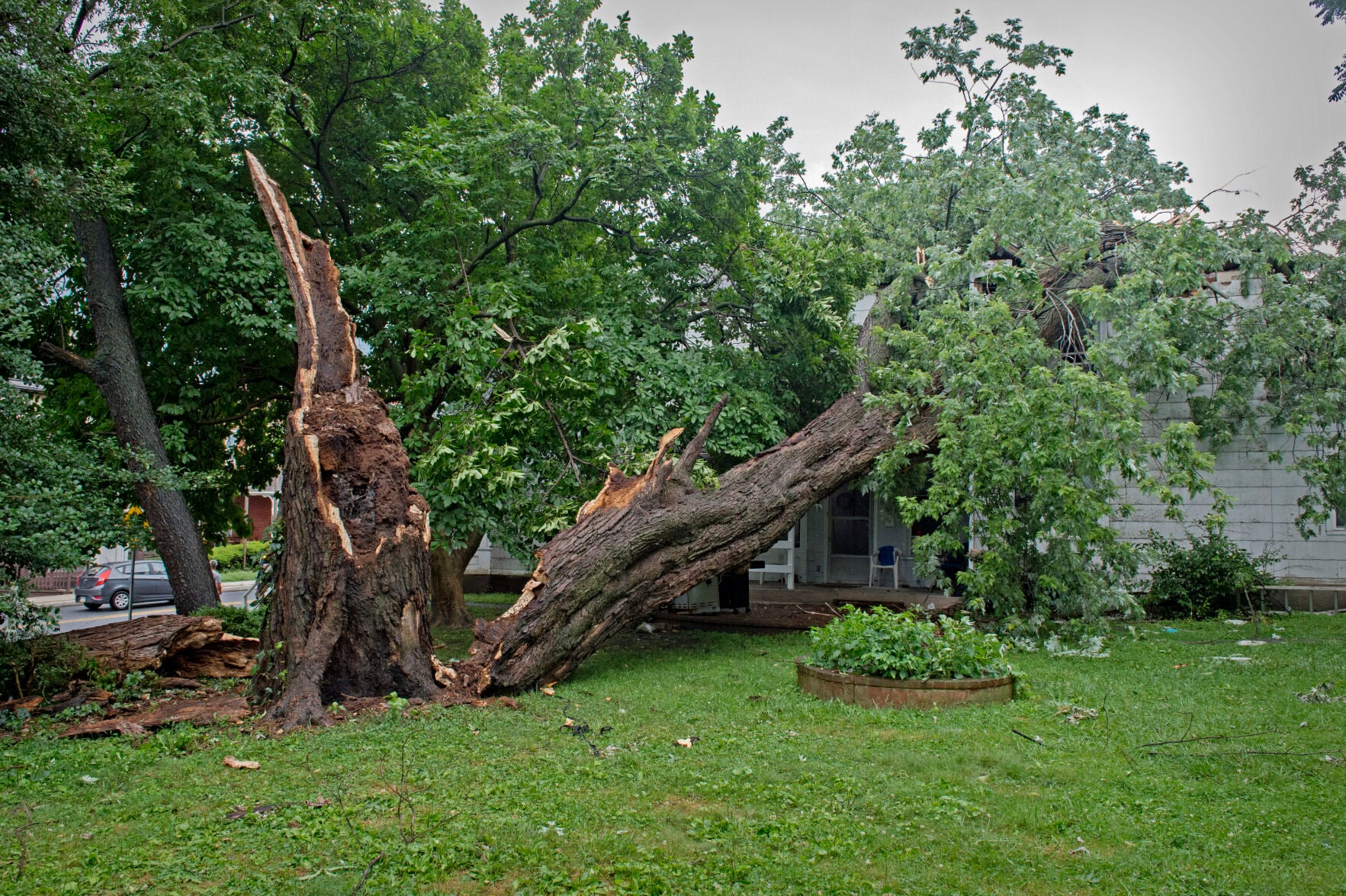
Maintenance can identify selected defects and provide opportunities to address them before another storm.
Removing a known dead branch over a driveway, for example, removes that particular overhead hazard.
However, no inspection or pruning program can guarantee that a tree will withstand every wind, snow, or ice event.
Healthy trees can also fail under severe conditions, and some defects are not visible during an ordinary inspection.
We recommend using maintenance to guide decisions about known problems, not treating it as a promise that storm damage will never occur.
If a tree is already damaged after an ice or wind event, its immediate condition should determine the response.
Tree Maintenance in Manchester and Goffstown, NH
Technical Tree Service provides maintenance and tree care for residential and commercial properties across southern New Hampshire.
Our service area includes Manchester, Goffstown, Bedford, Merrimack, Amherst, Nashua, and surrounding communities.
For homeowners and property managers in Goffstown, our tree maintenance services in Goffstown, NH address inspections, crown care, structural concerns, and other maintenance needs.
Our tree service in Manchester, NH includes pruning, removal, storm cleanup, and other work based on the condition of the property.
We recommend arranging an evaluation when winter damage has altered the position of major branches or when the condition of a tree is difficult to determine from the ground.
Schedule a Late-Winter Tree Inspection Before Spring Growth
If winter has left broken branches, trunk cracks, damaged evergreens, or questions about the condition of a mature tree on your property, we can help assess what needs attention before spring.
At Technical Tree Service, we provide tree inspections and maintenance recommendations in Manchester, Goffstown, and surrounding southern New Hampshire towns.
Call (603) 438-5956 to discuss winter tree maintenance in Manchester, NH and request an on-site assessment.
Tell us which trees concern you, whether the damage followed a storm, and whether branches are close to buildings, driveways, or electrical lines. We’ll discuss the condition of the property and what type of maintenance or assessment may be appropriate.
If a tree is touching electrical wires or a line is down, stay well away and contact 911 or the electric utility before arranging ordinary tree work.