If you’re looking for a “tree doctor” in Londonderry, what you probably need is an arborist who can evaluate the tree and explain what is happening before recommending work. “Tree doctor” is an informal description. Arborist is the professional field, and certifications give you something concrete to verify.
That distinction matters when the question is more complicated than cutting a branch. A tree with thinning foliage, a cavity, fungal growth, storm damage, or a new lean may need pruning, treatment, monitoring, or removal. We want to understand the condition first.
Through our arborist services in Londonderry, NH, we evaluate the tree together with the site around it before recommending the next step.
“Tree Doctor” Is a Description, Not a Credential
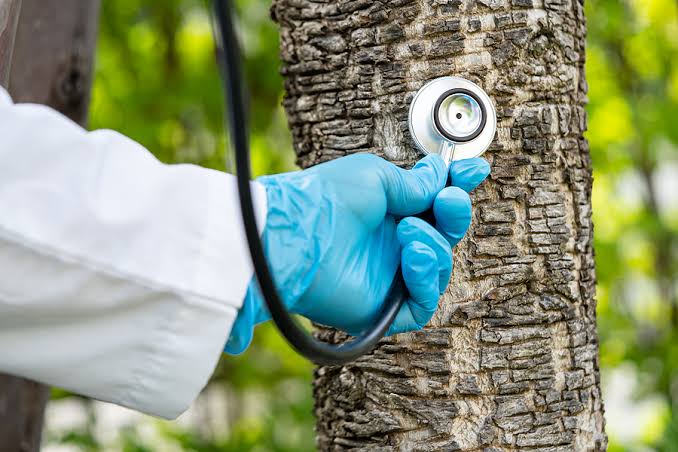
There is nothing inherently wrong with the phrase “tree doctor.” It gives homeowners a quick way to describe someone who diagnoses tree problems.
The limitation is that the title does not tell you what training the person has.
A certified arborist has gone through a defined credentialing process. For the ISA Certified Arborist credential, the International Society of Arboriculture requires documented arboricultural experience, or an accepted combination of education and experience, followed by an examination covering areas of professional tree care.
Someone advertising as a tree doctor may have that credential. They may have other professional qualifications. Or the phrase may simply be marketing language.
We would not choose a tree professional based on the title alone.
What an Arborist Looks at That a Homeowner May Not
A homeowner usually calls because of something visible.
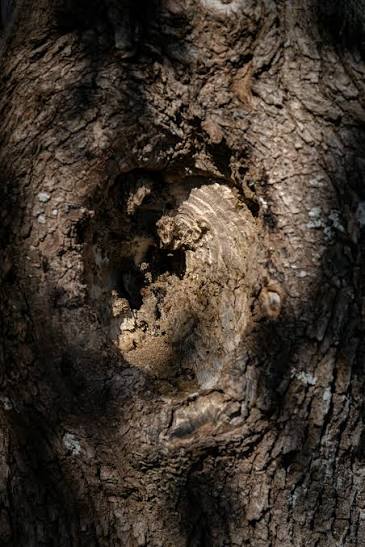
Maybe leaves are thinning. A branch died. Mushrooms appeared near the trunk. The tree started leaning. Bark is coming loose. A cavity looks larger than it did last year.
Those observations are useful, but the visible symptom is only the beginning.
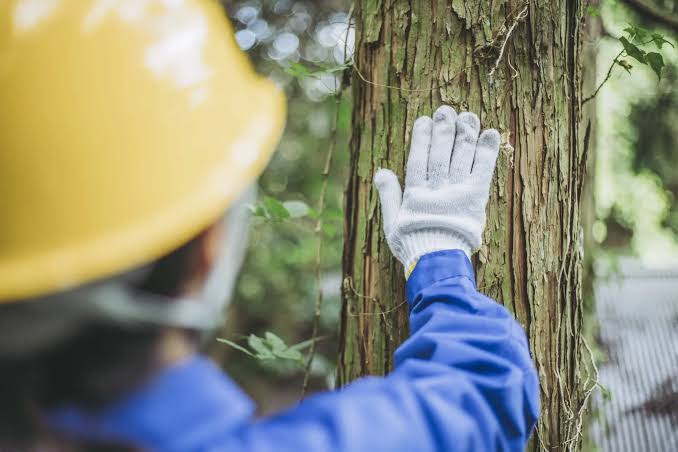
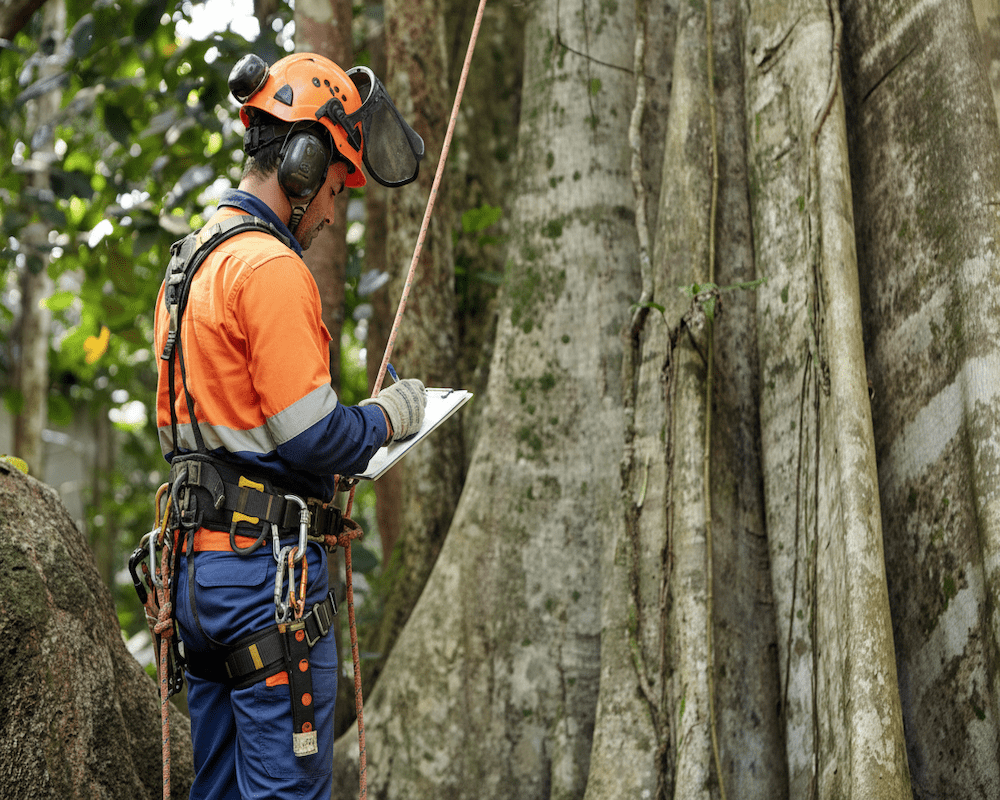
During an arborist assessment, we may look at the crown, branch attachments, trunk, root flare, surrounding soil, drainage, recent construction, storm exposure, and what the tree could strike if a branch or trunk section failed.
Our tree health assessment service follows that broader approach rather than treating one symptom in isolation.
A sparse canopy, for example, does not automatically identify a disease. Root disturbance, soil compaction, drought stress, insect activity, and other problems can produce similar symptoms.
The diagnosis has to fit the whole tree.
Certification Gives You Something You Can Verify
Homeowners do not need to memorize every credential in arboriculture, but knowing the main ones makes it easier to ask better questions.
An ISA Certified Arborist has met eligibility requirements and passed the ISA certification examination.
ISA Tree Risk Assessment Qualification, or TRAQ, goes further into a specific area. It trains and assesses professionals in a standardized process for evaluating tree risk. It can be particularly relevant when the concern involves possible tree or branch failure near people, buildings, roads, or other targets.
ISA Board Certified Master Arborist, or BCMA, is the highest certification level offered by ISA. It represents an advanced credential, not the minimum qualification a homeowner should demand for ordinary tree care.
Credentials tell you something about training and demonstrated knowledge. They still do not replace a clear explanation of what the professional sees on your property.
If someone recommends removing a mature tree, you should be able to ask why.
The Recommendation Should Match the Problem
One of the more useful things an arborist can tell you is that a tree does not need the service you initially expected.
A homeowner might call expecting removal and learn that targeted pruning is the better option. Another tree may look healthy from the driveway while a root problem or major structural defect changes the assessment.
We do not want every diagnosis to end in the same prescription.
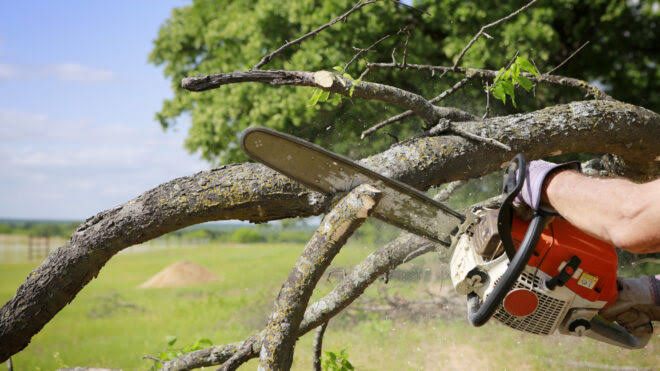
If the issue is branch structure or deadwood, professional tree trimming may be appropriate.
If the concern is broader tree condition, we may recommend monitoring, changes in tree care, or another management approach.
When structural damage or decline has reached a point where the tree presents an unacceptable problem for the property, tree removal may enter the discussion.
The sequence matters: evaluate first, then decide what work is justified.
Londonderry Has Tree Problems That Deserve a Local Eye
A local arborist should understand more than generic tree biology.
Londonderry has mature maples, oaks, white pines, birches, and fruit trees, including trees associated with the town’s long orchard history. Our local service page also reflects the combination of residential neighborhoods, business areas, and established orchard properties we encounter in town.
That local setting changes what we pay attention to.
Emerald ash borer was officially recorded in Londonderry in 2019. New Hampshire has since documented EAB in every county, so declining ash trees deserve an informed assessment rather than a guess based on a few dead branches.
Fruit trees raise different questions. Fire blight can affect apple, pear, crabapple, and related landscape plants in New Hampshire. Symptoms and management are different from those of an ash affected by an invasive borer.
Winter adds another layer. Snow and ice can load long limbs and weak unions, while wind can expose problems in tall pines or trees with compromised roots.
Calling every one of these conditions a “sick tree” does not get us very far. Species, symptoms, structure, and site history help narrow the problem.
Health and Structural Risk Are Related, but They Are Not the Same Question
A healthy-looking tree can still have a structural defect.
A stressed tree can also look rough without being in immediate danger of falling.
We separate those questions because the work that follows may be very different.
Leaf discoloration might lead us toward a health investigation. A recent root-plate shift after a storm raises a structural concern. A cavity has to be considered with the remaining wood, cracks, and crown loading rather than used as an automatic removal trigger.
That is the same approach we use in our tree service in Londonderry, NH: health, structure, and access conditions are evaluated on site before the work is priced or planned.
If a tree changes suddenly after wind, ice, or a major limb failure, the timeline changes too. Our emergency tree service is intended for situations where the tree or damaged section has become an immediate property or access concern.
Consulting Arborist or Tree-Service Arborist?
Homeowners sometimes hear the phrase “consulting arborist” and assume it describes a higher level of arborist.
It describes a different type of work more than a simple hierarchy.
A consulting arborist may be hired primarily to inspect, document, advise, or prepare a report. That can be useful for property disputes, development plans, preservation questions, risk decisions, or situations where an independent written opinion is needed.
A practicing arborist working through a tree service may evaluate the tree and also help carry out pruning, maintenance, or removal when those services are recommended.
Technical Tree Service provides both field tree work and professional arborist consultations. Our consultation service can be used when a property owner needs guidance on tree health, safety, landscaping changes, or work planned around existing trees.
If you need a formal report for a legal, insurance, development, or municipal purpose, tell the arborist that at the beginning. The scope of that assignment may be different from an ordinary service estimate.
Ask Why Before You Ask How Much
Price is a reasonable question, but it should come after we understand what work is actually being priced.
Suppose three companies look at the same tree and one proposes pruning, another proposes treatment, and the third proposes removal. Those are not three competing prices for the same job.
They are three different conclusions.
Before comparing estimates, ask:
- What condition did you find?
- What makes you recommend this work?
- Is there a reasonable alternative?
- What happens if we monitor the tree instead?
- Is this a health issue, a structural issue, or both?
- What is included in the proposed work?
- What will the property look like afterward?
Our guide to professional tree service for homeowners also recommends checking arborist credentials and insurance before hiring.
A company should be able to explain its recommendation in terms that make sense on your property.
Insurance and Equipment Matter After the Diagnosis
Knowing what should happen to a tree is one part of the job. Carrying out the work around a home, driveway, landscape, or neighboring property is another.
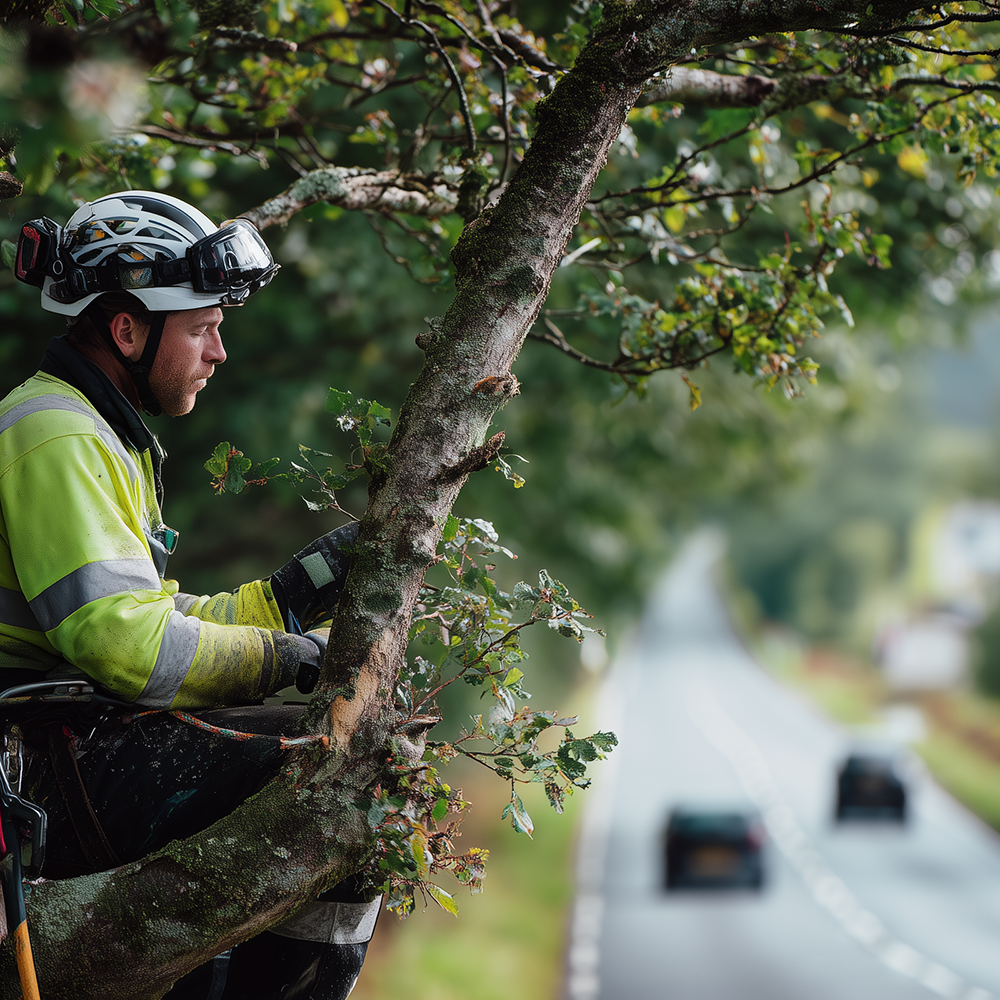
Tree work can involve climbing, rigging, heavy wood, aerial work, and equipment positioned close to structures.
That is why we would verify insurance even when an arborist has strong credentials.
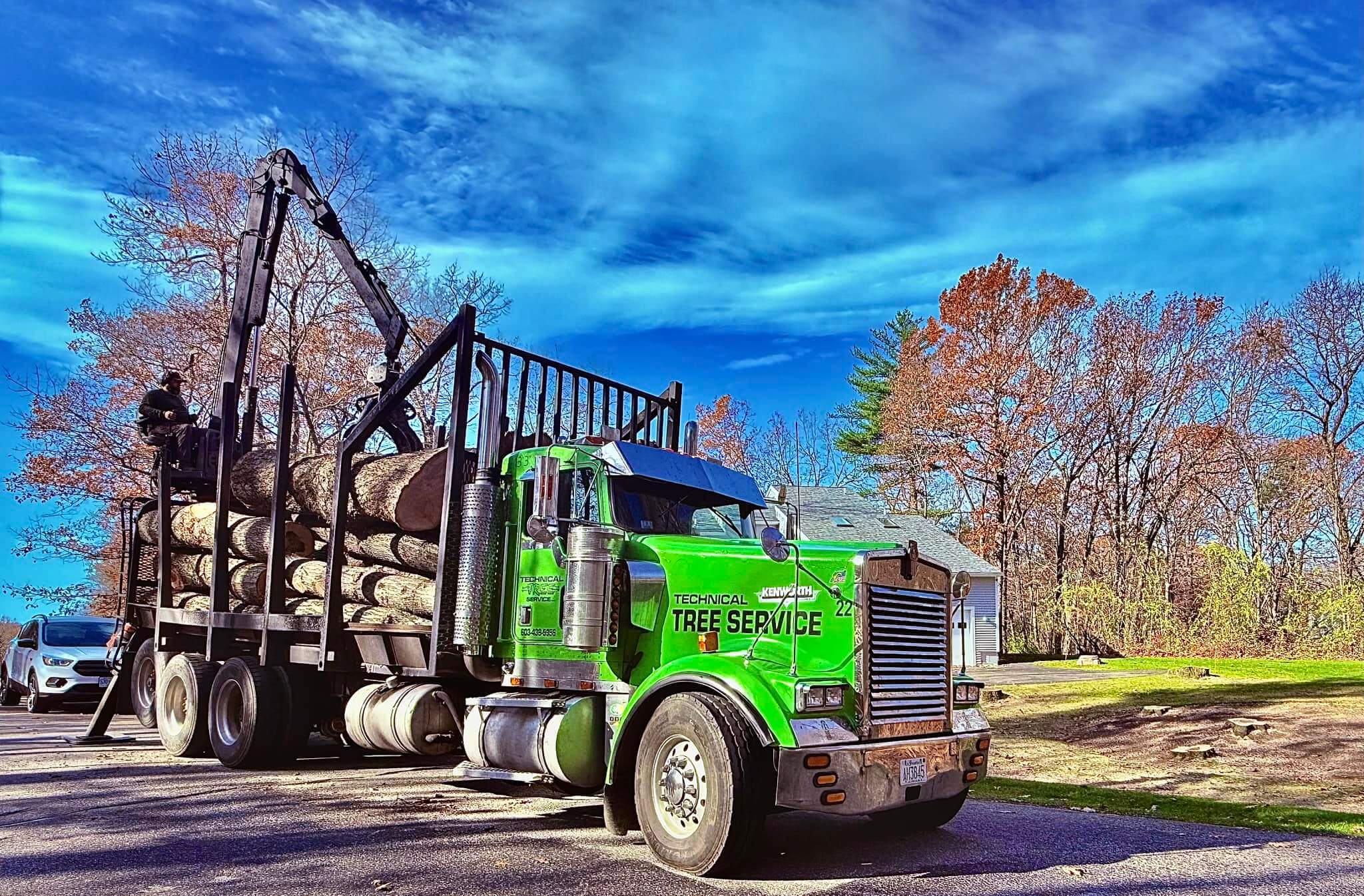
We are fully insured, and our Londonderry service information confirms that we operate our own crane for work where crane access is appropriate.
The crane is not the answer to every tree problem. Neither is removal. Equipment should follow the plan rather than determine it.
For homeowners trying to understand the broader differences among pruning, removals, health evaluations, stump work, and storm response, our tree services guide provides a broader overview.
When We Recommend Keeping the Tree
Tree companies are often called when owners are already expecting something to be cut.
That does not mean cutting is always the right outcome.
If the tree has manageable deadwood, a pruning objective may be enough. If its condition warrants observation, monitoring can make more sense than immediate removal. Some health problems may justify changes in care or further diagnosis.
Our tree maintenance services in Londonderry include health assessment and ongoing care for trees that do not require removal.
The recommendation should match what we can actually confirm.
A large tree is not automatically dangerous because it is large. A hollow tree is not automatically a removal. A few yellow leaves do not identify a disease from across the yard.
Those shortcuts make decisions easier, but they do not make them better.
When to Call an Arborist in Londonderry
You do not need to wait until a tree is clearly failing.
Call when you notice a meaningful change: new lean, dead branches, thinning at the top, fungal growth, damaged bark, a cavity, roots disturbed by construction, or branches that have begun interfering with a roof or access area.
An assessment is also useful before excavation, grading, driveway work, or other property changes near mature trees. Root damage can happen before there is anything obvious to see in the canopy.
If you live just over the town line, we also provide arborist services in Derry, NH using the same whole-tree approach.
If you are unsure whether you need a tree doctor, an arborist consultation, or actual tree work, start with the condition you are seeing. We can inspect the tree, explain what stands out, and recommend a practical next step.
For arborist service in Londonderry, call Technical Tree Service at (603) 438-5956 to schedule an on-site assessment.