Trees boost curb appeal, shade, and property value. But when they’re neglected—or damaged by weather—they can become a safety risk. This guide explains how professional tree service keeps your property healthy and secure, what to expect from a certified crew, how to spot trouble early, and when to call in experts. No pricing here—our team provides a tailored plan after onsite evaluation.
What Is Professional Tree Service?
Definition and Scope of Services
Professional tree service covers inspection, pruning and trimming, safe tree removal, stump grinding, emergency response, and preventive care. Certified arborists bring advanced knowledge of tree biology, disease, and structural stability—paired with specialized equipment to work efficiently and safely.
Key Benefits of Hiring Professionals
- Safety first: Tree work involves heights, rigging, and heavy wood. Trained crews minimize risk to people, pets, and property.
- Health & longevity: Correct pruning supports tree vitality and resilience.
- Property protection: Proper techniques prevent damage to roofs, siding, fences, and utilities.
- Curb appeal: Balanced canopies and clean cuts improve the look of your landscape.
Resource: International Society of Arboriculture (ISA) provides science-based guidance. See ISA – TreesAreGood.
Core Services Offered by Tree Experts
Tree Removal
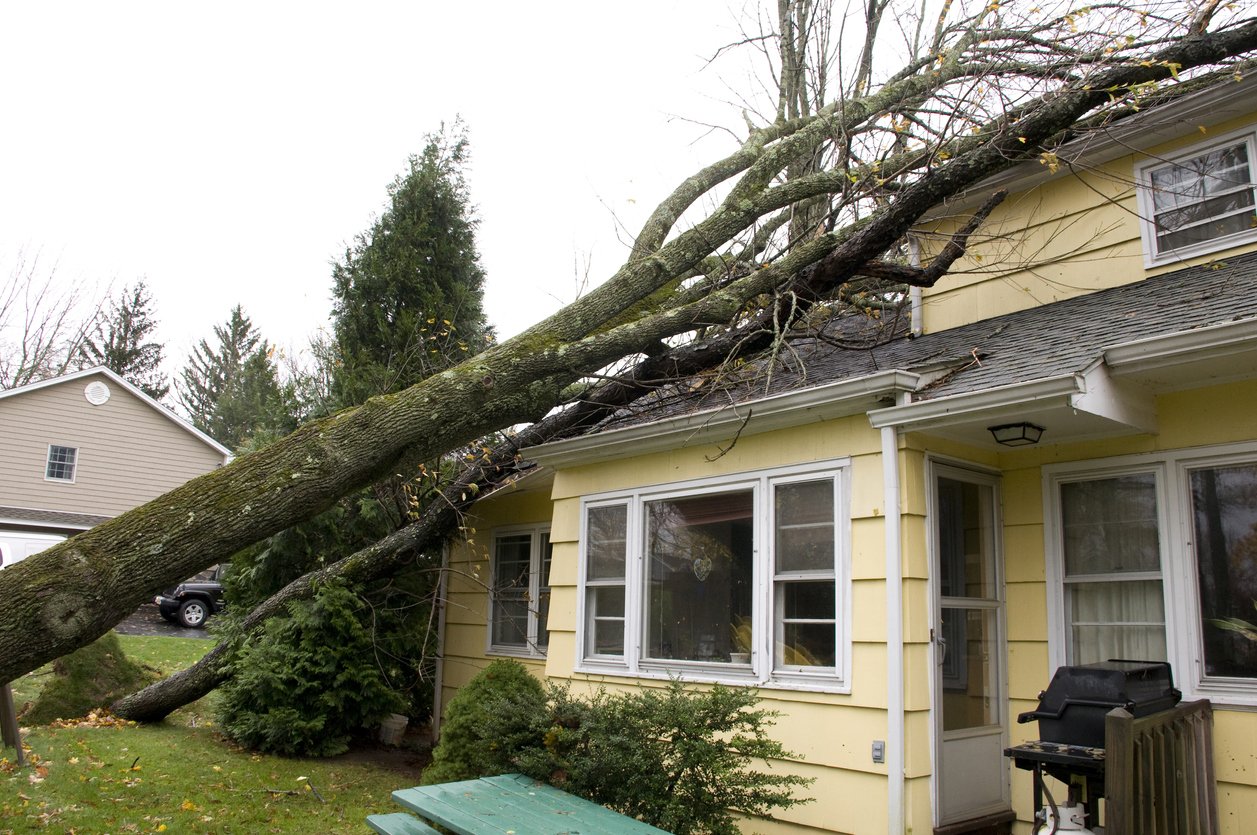
Dead, failing, storm-damaged, or unsound trees pose hazards. Professional tree removal ensures safety, protects nearby structures, and includes thorough cleanup.
Stump Grinding and Removal
After a tree is cut, the stump can attract pests or interfere with replanting. Stump grinding removes it below grade, restoring usable space and improving appearance.
Tree Trimming and Pruning
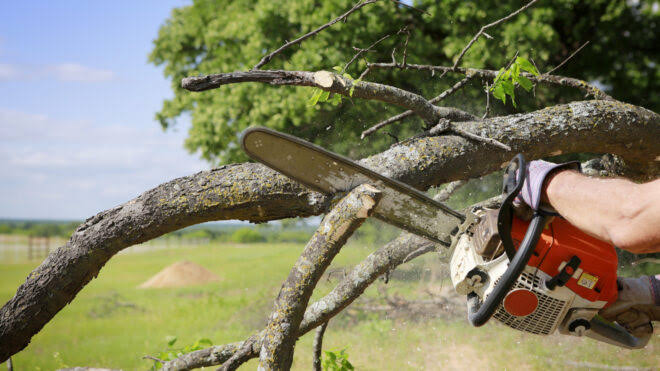
Tree trimming shapes the canopy and clears structures and walkways. Pruning removes weak or diseased branches to improve structure and airflow. Done professionally, it supports health and storm resistance.
Emergency Tree Services
Storms can bring down branches or entire trees without warning. Emergency crews secure the site and remove hazards—often coordinating with utilities if lines are involved.
Signs You Need a Tree Service Company
Visible Tree Damage
- Cracks, cavities, or decay in the trunk
- Dead or hanging branches
- Heaving soil or lifting roots at the base
Safety Hazards and Storm Risks
- Branches over roofs, driveways, or power lines
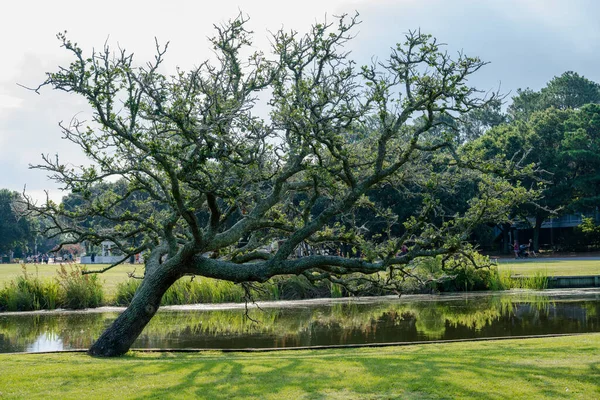
- New lean in a tree, especially after storms
- Frequent limb drop or splitting at unions
Overgrown or Diseased Trees
- Early leaf drop, discoloration, or sparse canopy
- Fungal growth on bark
- Insect activity with dieback
If you see these signs, schedule a professional inspection. Request a Quote today.
How Professional Tree Services Work
Initial Inspection and Risk Assessment
An arborist evaluates tree condition, structural risks, and site-specific factors. You’ll receive clear recommendations based on your property needs.
Tools and Safety Equipment Used
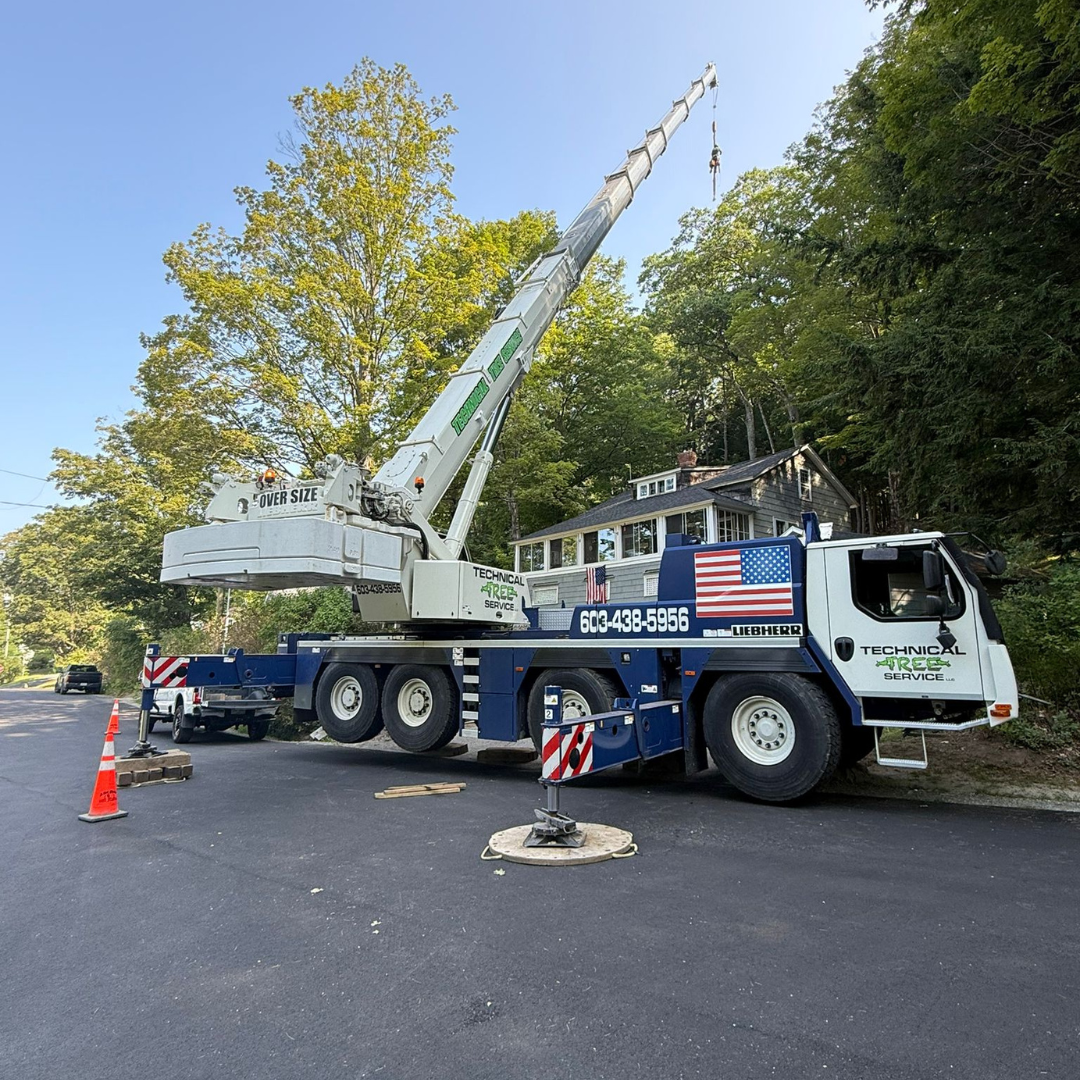
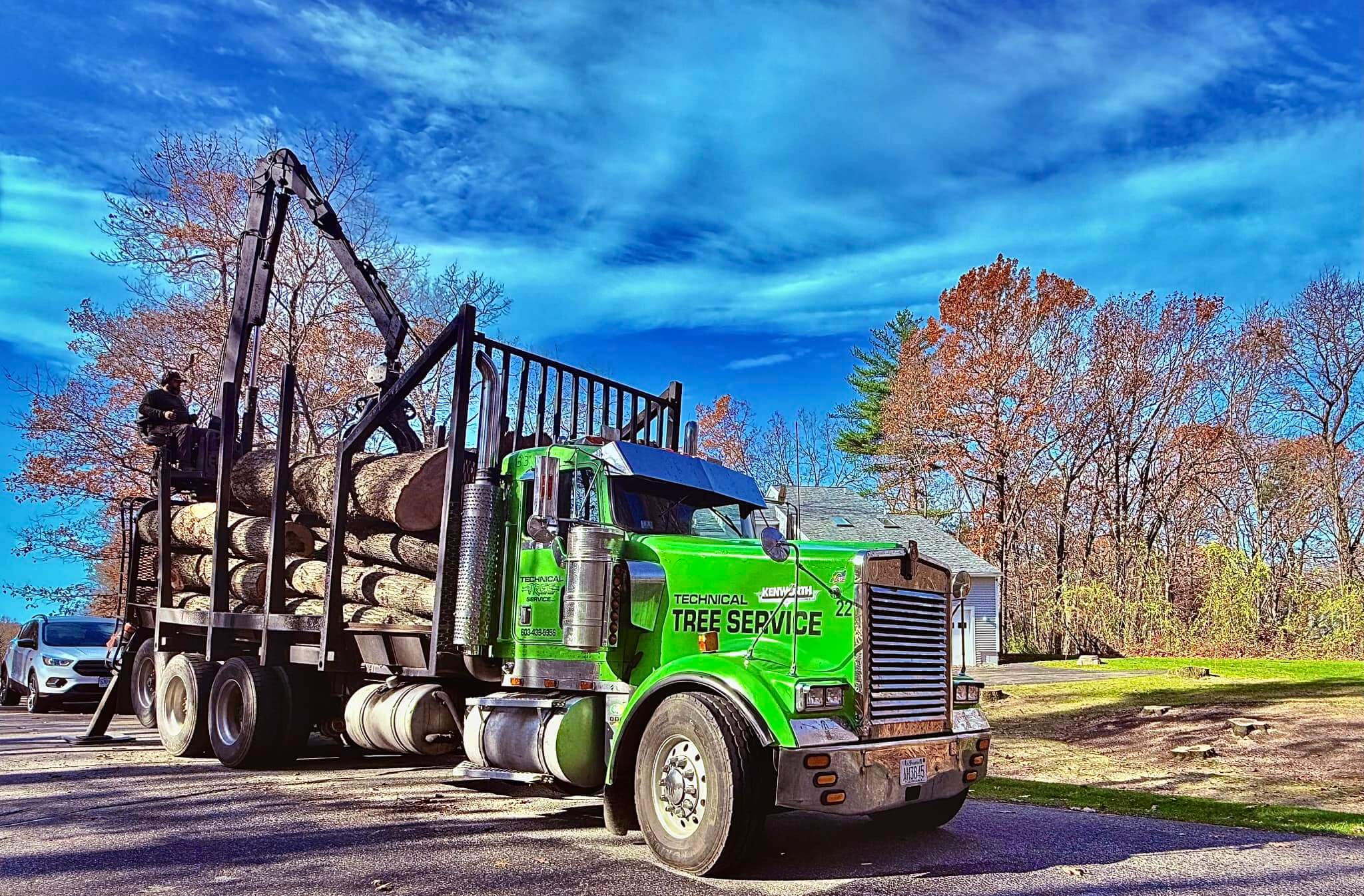
Crews use climbing gear, rigging lines, lifts, cranes, saws, stump grinders, and chippers—along with protective gear such as helmets, gloves, and harnesses.
Step-by-Step Process Homeowners Can Expect
- On-site evaluation and recommendations
- Scheduling and safety planning
- Execution with proper rigging and removal
- Debris removal and cleanup
- Aftercare guidance
DIY vs. Hiring Professionals
Risks of Do-It-Yourself Tree Work
Working at height with saws and heavy wood is dangerous. Common issues include falls, saw kickback, or property damage.
Why Certified Arborists Are Worth It
- Training in proper pruning and removal standards
- Rigging methods to safely control limbs
- Insurance coverage that protects homeowners
Choosing the Right Tree Service Company
What Certifications and Licenses to Look For
- ISA Certified Arborist credentials
- State and local licensing
- Proof of insurance
Questions to Ask Before Hiring
- How will you protect my home and yard?
- Will a certified arborist be on site?
- Do you provide emergency services?
Insurance and Liability Coverage
Tree work is hazardous. Always confirm the company is fully insured to protect your property.
Why Choose Technical Tree Service in New Hampshire
Coverage Areas
We serve Hollis, Weare, Londonderry, Bow, Derry, Candia, Amherst, Nashua, Litchfield, Auburn, Manchester, Hudson, Goffstown, Hooksett, Dunbarton, Windham, Bedford, Salem, Concord, and Merrimack.
Certified, Insured, and Equipped
Our crews combine expertise with modern equipment to handle trimming, pruning, removals, stump grinding, and storm response safely and efficiently.
Customer Satisfaction
- Clear communication throughout the job
- Respect for your property and landscaping
- Complete cleanup after work
Frequently Asked Questions (FAQs)
How often should I schedule tree trimming?
Many trees benefit from professional trimming every 2–3 years, but timing depends on the species and conditions. A site visit ensures the right plan.
Can I remove a tree on my own?
It’s risky. Tree removal requires training and equipment. A professional crew minimizes hazards.
What should I do if a tree falls during a storm?
Keep a safe distance, avoid downed wires, and call emergency tree service. Our team will secure the site and clear hazards.
How do I know if a tree needs removal or pruning?
A professional inspection determines whether removal or pruning is best for your tree’s condition.
Do you include stump grinding after removing a tree?
Yes, stump grinding is available after removals to restore usable yard space.
Do you provide estimates online or by phone?
Because every property is unique, we only provide recommendations after an on-site evaluation. Request a Quote to schedule yours.
Ready to Protect Your Property?
Get expert, safety-first tree service from Technical Tree Service across southern New Hampshire.
© Technical Tree Service • Professional Tree Service for Hollis, Nashua, Manchester, Concord & surrounding communities. Back to top ↑