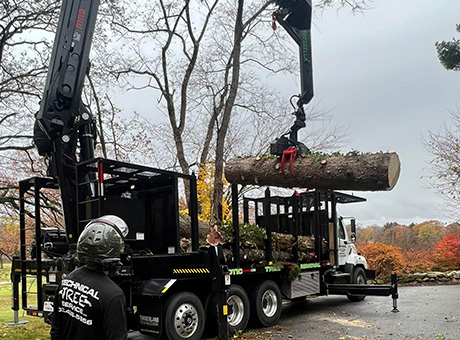
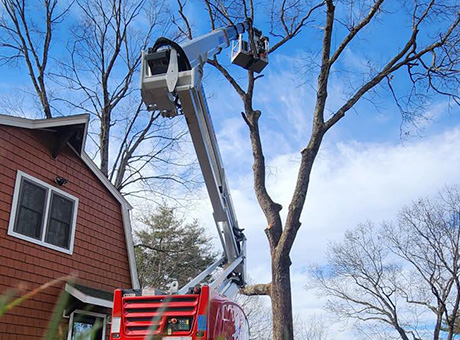
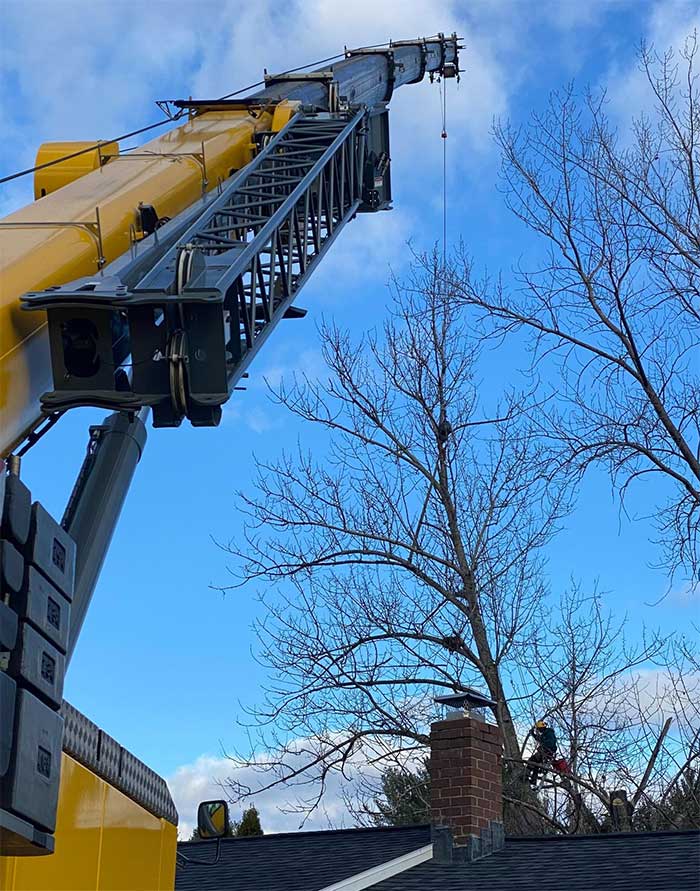
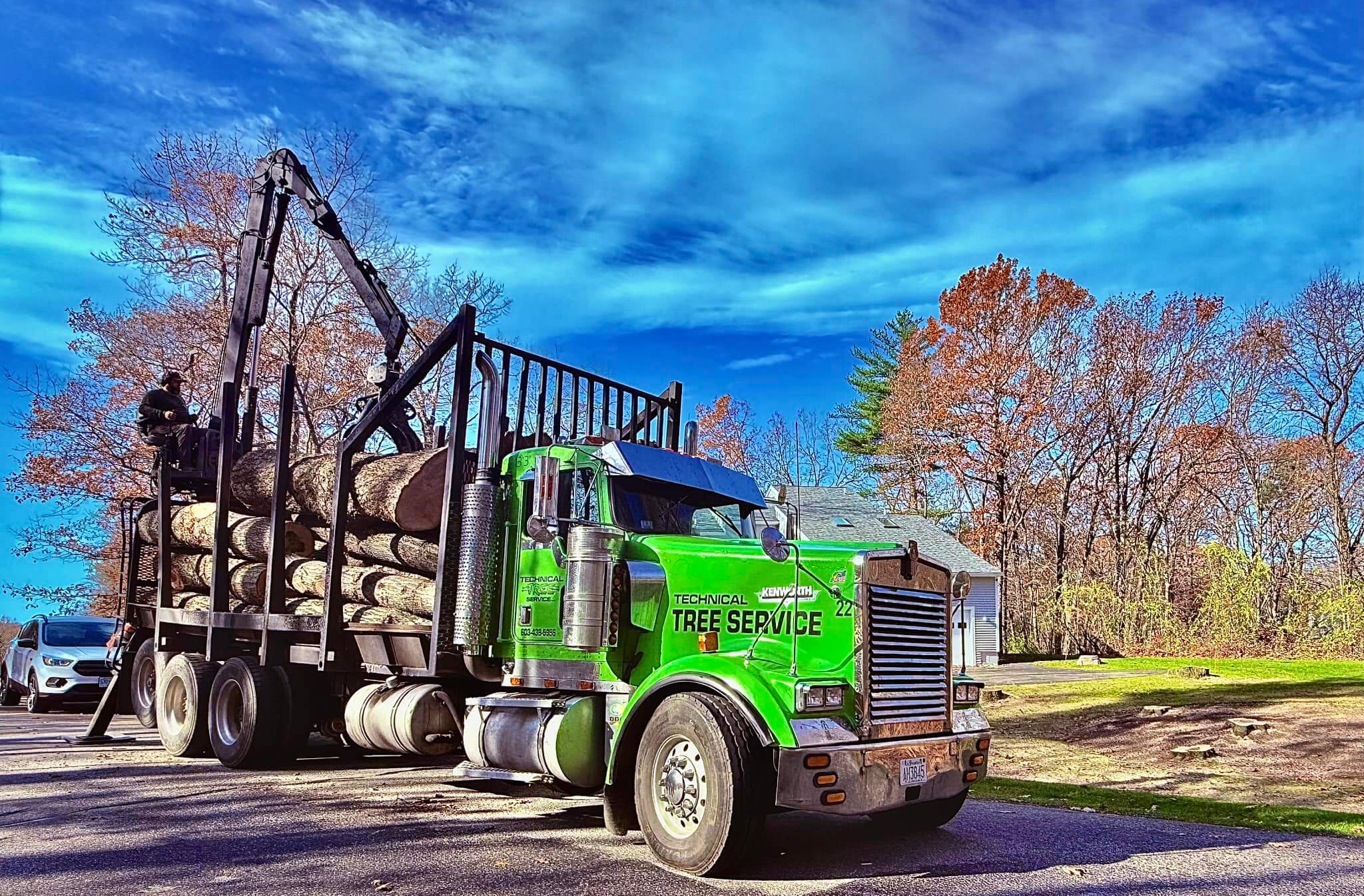
Professional arborist services in Hopkinton, NH help property owners evaluate tree health, improve tree structure and make informed decisions about pruning, maintenance, fertilization and tree preservation.
Technical Tree Service provides on-site assessments and practical tree care recommendations for residential and commercial properties.
Professional Arborist Services in Hopkinton, NH
Trees can ensue shade, privacy, beauty and long-term value to a property, but they as a consequence require knowledgeable care. A tree may see healthy from a disaffect while developing structural weakness, root stress, dead branches, insect excitement or disorder symptoms that are easier to identify during a professional inspection.
Technical Tree Service provides arborist services in Hopkinton, NH for homeowners, property managers and commercial property owners. Our team evaluates the condition of the tree, its surroundings and the customer’s goals before recommending a practical course of action.
Arborist facilities may enhance Tree Inspection, Tree Health evaluation, Structural Pruning, Crown Cleaning, clearance pruning, shrub care, root-zone assessment, Tree Fertilizer recommendations, Deep Root Fertilizer applications and Preventive Tree Care planning.
Need professional guidance for a tree on your property?
Call (603) 438-5956 to request arborist services in Hopkinton, NH.
What Does an Arborist Do?
An arborist is a tree care professional who evaluates, maintains and helps direct trees and shrubs. Unlike general landscaping work, arboriculture focuses specifically upon the growth, structure, health and long-term care of woody plants.
An arborist may examine the tree canopy, trunk, branch attachments, root flare, surrounding soil and clear property features. The purpose is to understand the entire tree and its setting rather than treating onevisible symptom without as soon as its realizable cause.
Depending on the situation, an arborist may recommend:
- Tree Health inspections
- Tree Risk Assessment recommendations
- Structural Pruning
- Crown Cleaning
- Crown Thinning when appropriate
- Crown Reduction when suitable for the tree
- Clearance pruning near structures and access areas
- Deadwood removal
- Tree Disease and insect-symptom evaluation
- Tree Insect Control recommendations
- Soil Conditioning
- Root Health and Root Zone evaluations
- Tree Fertilizer recommendations
- Deep Root Fertilizer applications
- Shrub and Ornamental Tree maintenance
- Tree Preservation planning
- Storm Damage Prevention recommendations
- Seasonal Tree Care
Not every tree needs pruning, fertilizer or removal. A professional assessment helps identify the most appropriate facilitate based on the tree’s species, age, size, location and visible condition.
Tree Inspections and Tree Health Evaluations
A Tree Inspection is often the first step when a property owner notices a tweak in a tree or is uncertain roughly its condition. Symptoms such as sparse foliage, dead branches, cracks, cavities, unusual leaning, damaged bark or premature leaf Fall can indicate stress, but they do not always lessening to the same cause.
A professional sometimes called a tree doctor or tree surgeon evaluates the tree as a resolved living system. This includes its canopy, trunk, branches, roots, soil conditions and ventilation to construction, drainage problems, drought or storm damage.
During an arborist assessment, Technical Tree Service may examine:
- Dead, cracked, broken or hanging branches
- Weak branch unions or included bark
- Unusual canopy thinning or discoloration
- Trunk wounds, cavities and visible decay indicators
- Fungal growth around the trunk or root area
- Root damage, soil compaction or buried root flare
- Drainage and moisture conditions
- Possible Tree Disease symptoms
- Signs of insect activity
- Clearance from roofs, driveways and walkways
- Potential targets if a branch or tree were to fail
An inspection does not automatically try the tree needs to be removed. Where conditions allow, pruning, monitoring, improved soil care and supplementary Tree Preservation dealings may be considered.
Professional Tree Pruning Services
Tree pruning should have a Definite objective. Removing too many branches or making cuts in inappropriate locations can bring out the tree, change its natural structure and create future keep problems.
Professional arborist services decide the tree’s species, maturity, condition and position past determining which branches should be removed or reduced.
Structural Pruning
Structural Pruning helps guide the improvement of youth and maturing Landscape Trees. Selected branches may be condensed or removed to augment spacing, branch contact and long-term structure.
Crown Cleaning
Crown Cleaning focuses on selected dead, broken, damaged or diseased branches. It may improve canopy condition and edit the presence of branches that could fall into areas below.
Clearance Pruning
Clearance pruning provides appropriate separation from roofs, buildings, signs, walkways, driveways and other property features while considering the natural shape of the tree.
Crown Reduction
Crown Reduction decreases fixed branch length using pleasing pruning points. It is every other from indiscriminate topping and should only be performed similar to appropriate for the tree and the objective.
Proper pruning may withhold better structure, provide needed clearance and remove agreed dead or damaged branches. However, pruning cannot correct every tree defect, and no pruning benefits can guarantee that a tree willwithstand every future storm.
Tree Fertilizer, Tree Food and Soil Care
Trees growing in residential and public notice landscapes often point of view conditions that differ from those in an undisturbed forest. Compacted soil, turf competition, removed leaf litter, restricted rooting ventilate andconstruction bother can play-act water, oxygen and nutrient availability.
Tree Fertilizer is sometimes marketed as Tree Food. Trees fabricate their own vibrancy through photosynthesis, while fertilizer supplies prearranged nutrients. Fertilizer does not replace sunlight, water, healthy roots orsuitable soil conditions.
Before recommending fertilizer, an arborist should deem the tree’s symptoms, growth pattern, species, site chronicles and root environment. Yellow leaves or abbreviated growth realize not always intention a nutrient deficiency. Similar symptoms may result from root damage, drainage problems, drought,planting depth, insects or disease.
What Is Deep Root Fertilizer?
Deep Root Fertilizer generally refers to a liquid nutrient answer placed into the soil within the swift Root Zone. Depending upon the equipment and site conditions, the application may distribute nutrients under the turfsurface and Make temporary openings in compacted soil.
Deep root fertilization is not occupy for every tree. A professional evaluation should determine whether fertilizer is likely to house the tree’s needs or whether another foster would be more suitable.
When May a Root-Zone Evaluation Be Helpful?
- Leaves are smaller or less dense than expected
- Annual shoot growth appears reduced
- The tree shows premature fall color
- Heavy equipment or foot traffic has compacted the soil
- Construction or grading occurred near the tree
- The root flare is buried or damaged
- Drainage is poor or the soil remains saturated
- The tree experiences repeated drought stress
- Turf or dense planting competes within the Root Zone
Shrub and Ornamental Tree Care
Arborist services may also insert care for shrubs and Ornamental Trees. These nature contribute to privacy, seasonal color, landscape structure and curb appeal, but they require pruning methods that accede their speciesand addition patterns.
Shrub child maintenance may tally selective pruning, deadwood removal, size management, renewal recommendations and inspection for insect or disorder symptoms. The best timing depends on the reforest and whether it flowers upon old or additional growth.
Repeated shearing can Make dense exterior mass while rejection a weak or bare interior. Selective pruning may maintain a more natural form and enhance light sharpness through the shrub.
Preventive Tree Care and Tree Preservation
Preventive Tree Care focuses upon identifying problems before they become more difficult or costly to address. Regular inspections permit property owners to prioritize maintenance, monitor changes and objective workaccording to tree condition and property needs.
Tree Preservation may tote up planned pruning, root-zone protection, improved soil practices, monitoring and reducing unnecessary disturbance on important trees. Preservation is especially relevant previously construction, grading, trenching, driveway feign or major landscape changes.
Useful preventive measures may include:
-
- Routine inspection: Monitor structure, canopy density, bark, roots and visible changes.
-
- Planned pruning: Address selected branches before they become larger or more difficult
to manage. - Root-zone protection: Reduce soil compaction, trenching and equipment traffic near important
roots. - Appropriate mulch: Maintain suitable mulch depth without piling material against the trunk.
- Seasonal monitoring: Watch for drought stress, storm damage, insect activity and unusual leaf
development.
- Planned pruning: Address selected branches before they become larger or more difficult
Seasonal Arborist Services in Hopkinton, NH
Trees in New Hampshire experience changing conditions throughout the year. Snow, ice, strong winds, saturated soil, summer heat and periods of low rainfall can produce a result branches, roots and canopy health.
| Season | Tree Care Priorities |
|---|---|
| Late winter and early spring | Inspect storm damage, identify broken branches and plan appropriate pruning before active growth. |
| Spring | Monitor leaf development, flowering, soil moisture and signs of insect or disease activity. |
| Summer | Watch for drought stress, premature leaf drop, dead branches and changes in canopy density. |
| Fall | Review tree structure, prepare for winter weather and evaluate root-zone or soil-care needs. |
| After severe weather | Stay away from hanging limbs, unstable trees and downed utility lines, then request a professional assessment. |
Residential Arborist Services
Residential arborist services help homeowners preserve trees near houses, driveways, walkways, lawns, gardens and external living areas. The scope of act out may range from evaluating one on the order of branch to developing amaintenance mean for several get older trees and shrubs.
Common residential concerns add together branches close the roof, declining trees, storm damage, shade management, tree health, roots close disturbed soil and trees that have outgrown their comprehensible space.
An on-site inspection allows Technical Tree Service to decide tree size, condition, access, nearby structures and equipment requirements before preparing recommendations.
Commercial Arborist Services
Commercial properties may require organized tree keep for parking areas, entrances, sidewalks, signs, tenant spaces and public admission areas. Arborist services can back up property managers identify priorities and planwork on the order of business operations.
Commercial tree care may count canopy clearance, deadwood management, tree inspections, shrub maintenance, soil recommendations and scheduled Preventive Tree Care. The appropriate mean depends upon the property layout,tree population and level of public use.
When Should You Call an Arborist?
Property owners should judge requesting arborist services past they revelation visible changes or previously making decisions that could statute important trees.
Contact a tree care professional when:
- A tree has dead, broken or hanging branches
- The trunk has cracks, cavities or damaged bark
- The tree begins leaning unexpectedly
- Fungal growth appears near the trunk or roots
- Leaves become sparse, discolored or drop early
- Roots have been cut, buried or exposed
- Construction or grading is planned near trees
- Branches interfere with roofs, driveways or walkways
- A tree was affected by snow, ice or strong wind
- You are uncertain whether pruning, treatment or removal is appropriate
Why Choose Technical Tree Service?
Technical Tree Service provides practical arborist services for residential and commercial properties throughout southern New Hampshire.
Our team evaluates the tree, the site and the customer’s objective before recommending work.
- Professional on-site tree assessments
- Tree Health and structural observations
- Tree and shrub maintenance
- Structural Pruning and canopy care
- Root-zone and soil-condition evaluations
- Tree Fertilizer and Deep Root Fertilizer recommendations
- Clear communication about maintenance priorities
- Residential and commercial tree care
- Professional equipment for appropriate tree operations
- Fully insured tree service
Every property has different tree species, growing conditions and keep needs. Recommendations should be based on an on-site assessment rather than a one-size-fits-all treatment.
Schedule Arborist Services in Hopkinton, NH
Technical Tree Service can inspect your trees, discuss your concerns and recommend an appropriate maintenance plan for your property. Call (603) 438-5956 or contact Technical Tree Service online.
Frequently Asked Questions About Arborist Services
What are arborist services?
Arborist facilities are professional tree care services focused on the health, structure, maintenance and paperwork of trees and shrubs. They may enlarge inspections, pruning, root-zone care, fertilization,preventive keep and tree preservation recommendations.
What does an arborist inspect?
An arborist may inspect the canopy, branches, trunk, branch unions, bark, root flare, surrounding soil and nearby property features. The purpose is to identify visible health, structural and maintenance concerns.
When should I call an arborist?
Call an arborist taking into account you pronouncement dead branches, cracks, cavities, leaning, fungal growth, root damage, unusual leaf loss, sparse foliage or storm damage. An assessment is also compliant before construction or grading close important trees.
Is an arborist the same as a tree doctor?
Tree doctor is an informal term commonly used for a professional who evaluates tree health problems. Arborist is the broader professional term for someone working in the care and admin of trees.
Is a tree surgeon the same as an arborist?
Tree surgeon is different common term for a tree care professional who performs pruning, removal and additional tree operations. Arborist is generally the more amass term used for tree assessment and care.
What is the difference between an arborist and a landscaper?
Landscapers may preserve lawns, gardens and general external spaces. Arborists focus specifically on trees and woody plants, including their structure, health, roots, pruning needs and long-term management.
Can an arborist determine whether a tree needs removal?
An arborist can explore visible conditions and recommend whether pruning, monitoring, preservation trial or removal should be considered. The information depends on the tree, its condition andthe surrounding property.
Can an arborist save a declining tree?
Some declining trees may improvement from pruning, improved soil conditions, pest management, monitoring or new care. However, not all tree can be restored, especially when coarse decay, structural failure or majorroot loss is present.
Do arborists provide tree pruning?
Yes. Arborist pruning may insert Structural Pruning, Crown Cleaning, clearance pruning and Crown Reduction once appropriate. The pruning method should decide the tree and the objective.
Is tree topping recommended?
Indiscriminate topping removes large portions of a tree’s canopy and may Make stress and feeble regrowth. Professional pruning generally uses selective cuts that preserve a more commandeer structure.
Does every tree need Tree Fertilizer?
No. Fertilizer should habitat a specific dependence or objective. Tree grow less may be similar to root damage, drainage, drought, disease, insects or planting conditions rather than nutrient deficiency.
What is Deep Root Fertilizer?
Deep Root Fertilizer is commonly applied as a liquid nutrient solution placed within the tree’s root zone. It may be helpful below selected conditions but should not be treated as a universal solution.
Is Tree Food different from fertilizer?
Tree Food is a common marketing term for fertilizer. Trees build energy through photosynthesis, while fertilizer supplies fixed nutrients that may be needed below particular soil conditions.
Can an arborist care for shrubs?
Yes. Arborist facilities may total shrub inspections, selective pruning, deadwood removal, size meting out and evaluation for insect or complaint symptoms.
How often should trees be inspected?
Inspection frequency depends on the tree’s age, condition, location and what could be affected if a branch or tree failed. Additional inspections are advisable after harsh storms or visible changes.
Can arborist services prevent storm damage?
No assist can guarantee that a tree will withstand all storm. However, inspections and appropriate grant may identify chosen dead branches, structural concerns and extra conditions that deserve attention.
How much do arborist services cost in Hopkinton, NH?
Cost depends on the number and size of trees, service type, condition, access, equipment requirements and proximity to structures or service lines. Pricing is normally provided after an on-site assessment.
Can Technical Tree Service help residential and commercial properties?
Yes. Technical Tree Service provides arborist and tree maintenance services for residential and commercial properties in Hopkinton, NH, and other communities in southern New Hampshire.
Arborist Service Area in Hopkinton
Technical Tree Service provides arborist services for property owners in Hopkinton, NH, and communities throughout southern New Hampshire. Contact the team to confirm service availability for your property.