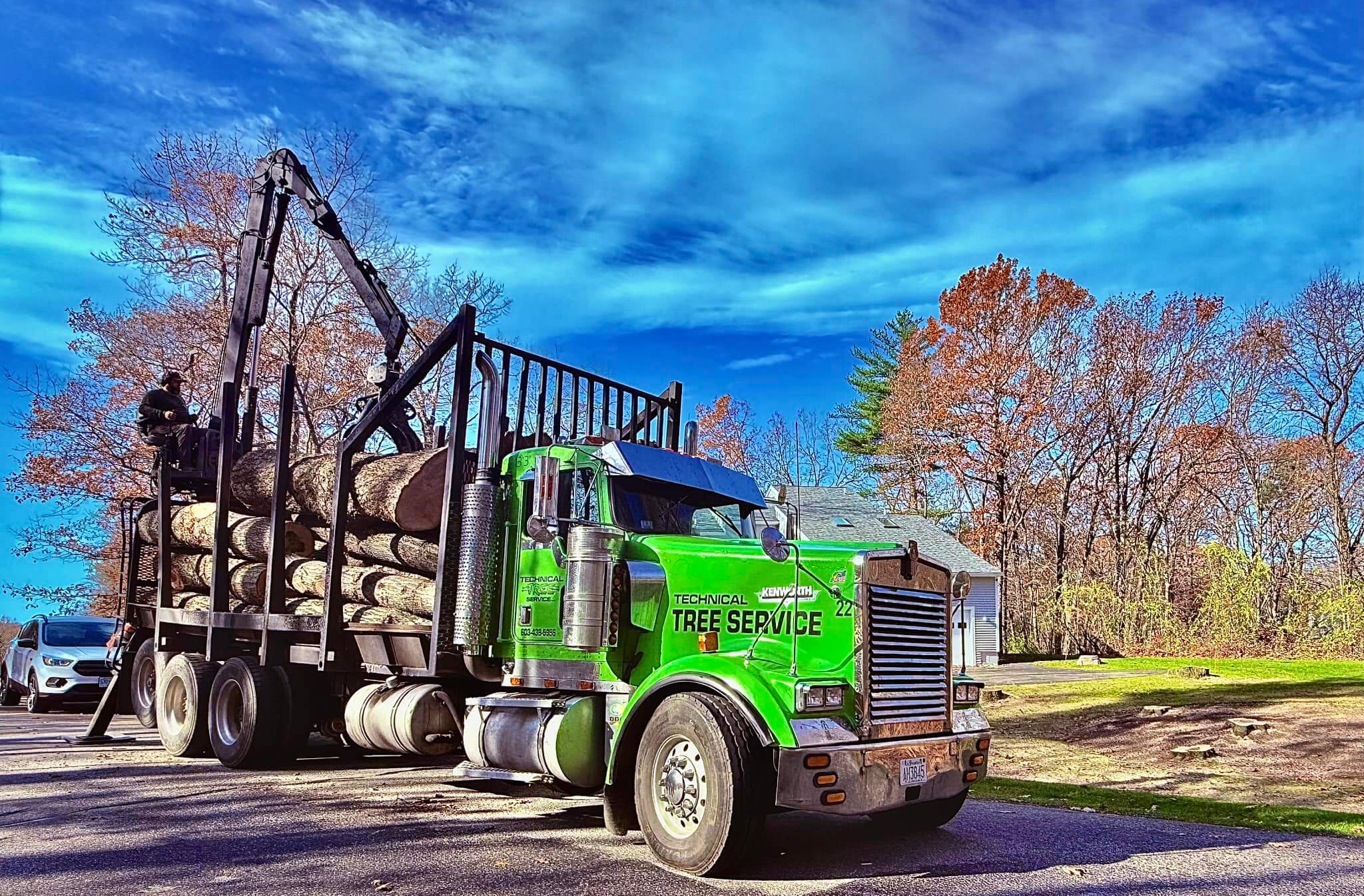
Professional tree maintenance in Hooksett, NH helps protect tree health, improve structure and reduce preventable property risks.
Technical Tree Service evaluates each tree and recommends appropriate care, which may include pruning, tree inspection, shrub maintenance, soil conditioning, root-zone care, Tree Fertilizer or Deep Root Fertilizer based on the condition of the landscape.
Professional Tree Maintenance in Hooksett, NH
Trees are long-term landscape assets, but they need beyond occasional branch cutting. A total tree allowance program considers canopy structure, root health, soil conditions, nearby buildings, seasonal stress, insects, disease symptoms and the pretension each tree is developing.
Technical Tree Service provides professional tree maintenance for residential and commercial properties in Hooksett, NH. Our goal is to identify problems early, recommend practical care and help property owners preserve healthy trees whenever conditions allow.
A grant visit may pretend to have a visual Tree Inspection, Structural Pruning recommendations, Crown Cleaning, shrub care, soil evaluation, Tree Food recommendation or a more detailed Tree Health plan. Because every property is different, the right support depends on the tree species, maturity, location, condition and surrounding landscape.
Concerned about a tree on your property?
Call (603) 438-5956 to request an on-site tree maintenance assessment in Hooksett, NH.
What Does Tree Maintenance Include?
Tree child support is the planned care used to retain healthy growth, improve tree structure and dwelling developing concerns past they become more difficult to manage. It is broader than a single pruning orfertilization visit.
Depending on the property, recommended maintenance may include:
- Visual Tree Health inspections
- Tree Risk Assessment recommendations
- Structural Pruning for developing trees
- Crown Cleaning to remove selected dead, damaged or weak branches
- Crown Thinning when appropriate for the tree and maintenance objective
- Crown Reduction when a qualified professional determines it is suitable
- Clearance pruning near roofs, driveways and other property features
- Tree Disease and insect-symptom evaluation
- Tree Insect Control recommendations
- Soil Conditioning and root-zone care
- Tree Fertilizer or Deep Root Fertilizer recommendations
- Shrub inspection and pruning
- Seasonal Tree Care planning
- Storm Damage Prevention recommendations
- Tree Preservation planning during property or landscape changes
Not all tree needs every service. Applying Tree Food without arrangement the soil, roots and tree condition may fail to quarters the real issue. An inspection helps determine whether the tree needs nutrients, pruning, improved growing conditions, monitoring or different form of care.
Tree Health Assessments by an Experienced Tree Professional
Changes in leaves, bark, branches or accrual can indicate stress, but same symptoms may have alternative causes. Yellowing foliage, sparse canopy growth, dead branches, premature leaf drop, cracks, cavities and fungal deposit should be evaluated in context.
A professional commonly described as a tree doctor or tree surgeon examines the total tree rather than focusing upon one visible symptom. This includes looking at the canopy, trunk, branch unions, root flare, surrounding soil and ventilation to construction, compaction or storm damage.
During a Tree Inspection, Technical Tree Service may consider:
- Dead, cracked, hanging or rubbing branches
- Weak branch attachments or included bark
- Changes in canopy density or leaf appearance
- Trunk wounds, cavities, decay indicators or damaged bark
- Root-zone disturbance and soil compaction
- Drainage and moisture conditions
- Insect activity or possible Tree Disease symptoms
- Targets such as homes, vehicles, walkways and outdoor living areas
The inspection does not automatically mean a tree must be removed. Where practical, Preventive Tree Care, pruning, monitoring and enlarged soil or root conditions may support Tree Preservation. When a tree presents an unacceptable condition that cannot be well enough corrected, additional enactment may be recommended.
Tree Fertilizer, Tree Food and Root-Zone Care
Trees growing in maintained landscapes complete not always have the same conditions as trees growing in an undisturbed forest. Turf competition, removed leaf litter, compacted soil, limited rooting areas and construction excitement can action how roots entrance water, oxygen and nutrients.
Tree Fertilizer is sometimes marketed as Tree Food, although trees create their own moving picture through photosynthesis. Fertilizer supplies selected nutrients; it does not replace sunlight, adequate water, healthy soil structure or involved roots.
Before recommending fertilizer, a tree care professional should believe to be visible symptoms, species, growth pattern, site history and soil conditions. Fertilizer should be chosen and applied for a distinct reason rather than treated as an automatic answer for all unhealthy tree.
What Is Deep Root Fertilizer?
Deep Root Fertilizer generally refers to placing a liquid nutrient solution into the soil within the nimble root zone. Depending on the application method and site conditions, the process may support distribute nutrients below the turf surface and may temporarily create openings in compacted soil.
Deep root fertilization is not capture for every tree or every diagnosis. A declining tree may be affected by root damage, excessive moisture, drought, decay, planting depth, pests or another situation that fertilizer alone cannot correct. Technical Tree Service evaluates the broader Tree Health portray before recommending a treatment.
Signs That a Soil or Root Evaluation May Be Helpful
- Reduced annual shoot growth
- Leaves that appear smaller or less dense than expected
- Premature fall color or early leaf drop
- Heavy vehicle, foot or equipment traffic over the Root Zone
- Recent construction, grading or trenching near the tree
- Competition from turf or dense landscape planting
- Poor drainage or repeated drought stress
- Exposed, damaged or buried root flare
Pruning for Structure, Clearance and Healthy Growth
Professional pruning has a defined objective. It should not suitably remove as many branches as possible. The amount and location of pruning depend upon the tree’s species, age, condition and position on the property.
Structural Pruning
Structural Pruning helps guide the early payment of teen and maturing Landscape Trees. Selected branches may be condensed or removed to support better spacing, improve branch dealings and edit future structural concerns.
Crown Cleaning
Crown Cleaning focuses on selected dead, broken, damaged or diseased branches. It can combine canopy condition and sever branches that could fail and work areas below.
Clearance Pruning
Clearance pruning creates appropriate separation from roofs, buildings, driveways, signs, walkways or additional property features while gone the natural structure of the tree.
Crown Reduction
Crown Reduction reduces agreed branch length using take over pruning points. It is swap from indiscriminate topping and should unaided be used past suited to the tree and the child maintenance objective.
Excessive pruning can remove too much bustling canopy and create unnecessary stress. Good arboriculture balances the requested result in the vent of the tree’s execution to continue growing and responding to the work.
Shrub and Ornamental Tree Maintenance
A unquestionable landscape care plan should include higher than large Shade Trees. Shrub beds and Ornamental Trees contribute to screening, seasonal color, property publicize and overall landscape structure.
Shrub allowance may count selective pruning, deadwood removal, size management, renewal recommendations and evaluation for insect or complaint symptoms. The timing and pruning method should harmonize the reforest species and its flowering or addition pattern.
Repeatedly shearing every shrub into the thesame shape can Make a dense exterior while leaving feeble or bare interior growth. Selective pruning can often maintain a more natural form and insert light penetration.
Technical Tree Service can evaluate shrubs as part of a broader tree and landscape maintenance visit in Hooksett.
Seasonal Tree Care in Hooksett, NH
Seasonal changes can air existing weaknesses in trees. Snow, ice, wind, saturated soil, summer heat and periods of limited rainfall may behave branches, roots and canopy condition. A planned child maintenance schedule helps property owners residence visible problems before severe weather makes them more urgent.
| Season | Maintenance Priorities |
|---|---|
| Late winter and early spring | Inspect storm damage, identify broken limbs, plan suitable pruning and evaluate trees before active growth. |
| Spring | Monitor leaf development, flowering, soil moisture, insect activity and signs of delayed or uneven canopy growth. |
| Summer | Watch for drought stress, premature leaf drop, sparse foliage, dead branches and changes in Tree Health. |
| Fall | Review tree structure, prepare for winter weather and plan root-zone or soil care where appropriate. |
| After major storms | Keep away from hanging limbs, unstable trees and downed utility lines, then request a professional inspection. |
Why Preventive Tree Care Matters
Preventive Tree Care is generally more clear than waiting until a branch fails, a pest problem spreads or a nervous tree declines further. Routine inspections create an opportunity to identify changes and prioritize action according to condition and risk.
A maintenance purpose may moreover help guard Property Value by preserving mature trees, maintaining curb glamor and reducing avoidable conflicts in the midst of trees and built features. Healthy Trees can come occurring with the maintenance for shade, visual screening and long-term landscape character, but those give support to depend upon suitable species, growing tune and continued care.
Important reasons to schedule maintenance include:
-
- Early identification: Detect visible defects, stress symptoms and maintenance needs before
they become more advanced.
- Early identification: Detect visible defects, stress symptoms and maintenance needs before
-
- Better structure: Guide young and maturing trees through planned Structural Pruning.
- Property protection: Address selected dead, broken or poorly positioned branches near
targets. - Improved growing conditions: Evaluate soil, mulch, moisture and Root Health.
- Long-term planning: Decide which trees to preserve, monitor, prune or replace.
Residential and Commercial Tree Maintenance
Technical Tree Service provides tree care for homeowners, property managers, commercial sites and other properties in Hooksett, NH. The scope of work can range from evaluating one concerning tree to developing priorities for multiple trees and shrubs.
Residential money may focus on shade, clearance, play areas, driveways, roofs and outside living spaces. Commercial maintenance may require documented priorities, predictable scheduling, pedestrian clearance, parking-area considerations and attention to customer or tenant access.
Every estimate should be based on an on-site inspection. Tree size, condition, access, equipment needs, nearby structures and the amount of act out required can significantly piece of legislation the recommended approach.
Why Choose Technical Tree Service?
Technical Tree Service provides practical tree care recommendations for properties across southern New Hampshire. Our team evaluates the tree, the site and the customer’s objective before recommending maintenance.
- Professional on-site tree inspections
- Tree maintenance recommendations based on actual site conditions
- Tree and shrub care for residential and commercial properties
- Structural pruning and canopy maintenance
- Tree Health, soil and root-zone evaluation
- Clear communication about recommended priorities
- Fully insured tree service
- Professional equipment for appropriate tree care operations
Our objective is not to recommend the same treatment for every property. A mature tree with structural concerns requires a different plan from a young Ornamental Tree, a compacted commercial landscape or a shrub border
that has outgrown its available space.
Schedule Tree Maintenance in Hooksett, NH
Give your trees and shrubs the professional attention they need. Technical Tree Service can inspect your property, discuss your concerns and recommend an appropriate maintenance plan.Call (603) 438-5956 or contact Technical Tree Service online
Frequently Asked Questions About Tree Maintenance
What is included in professional tree maintenance?
Professional tree keep may count inspection, Structural Pruning, Crown Cleaning, clearance pruning, Tree Health evaluation, shrub care, root-zone assessment, soil recommendations and fertilization following appropriate. The perfect plan depends upon the species, maturity, condition and location of each tree.
How often should trees be inspected?
The commandeer inspection schedule depends upon the tree, its condition and what could be affected if a branch or tree failed. Trees close homes, driveways, walkways or accrual areas may need more frequent attention. An other inspection is advisable after major storms or when visible changes appear.
When should I call a tree doctor or tree surgeon?
Contact a tree professional as soon as you revelation dead branches, cracks, cavities, fungal growth, leaning, root damage, unusual leaf loss, sparse foliage or storm damage. You should also request help beforeconstruction, grading or trenching close important trees.
What is the difference between tree titivation and tree pruning?
The terms are often used interchangeably, but professional pruning usually refers to selective cuts made for a defined objective, such as structure, clearance, health or risk reduction. Trimming may afterward describe routine size or melody management.
Is Tree Fertilizer vital for every tree?
No. Fertilizer should quarters a demonstrated dependence or usefully defined objective. Some tree problems are caused by root damage, poor drainage, planting depth, drought, decay or pests rather than a nonappearance of nutrients. An assessment should come past treatment.
What is Deep Root Fertilizer?
Deep Root Fertilizer is commonly applied as a liquid answer placed into the soil within the tree’s root zone. It may be useful in chosen landscape conditions, but it is not a universal treatment and should be recommended according to the tree and site.
Is Tree Food the same as fertilizer?
Tree Food is a common publicity term for fertilizer. Trees make enthusiasm through photosynthesis, while fertilizer supplies chosen nutrients. Healthy deposit also depends on sunlight, water, functioning roots, suitable soil and conventional growing space.
Can fertilizer keep a dying tree?
Not necessarily. Fertilizer cannot repair severe decay, major root loss, structural failure or every disease and insect problem. The cause of terminate should be evaluated before deciding whether fertilization, pruning, treatment, monitoring or removal is appropriate.
Can pruning include Tree Health?
Proper pruning can remove chosen dead or damaged branches, improve developing structure and present needed clearance. However, excessive or not at your best placed cuts can make more noticeable a tree. The pruning method should permit the tree and grant objective.
What are common signs of an unhealthy tree?
Possible warning signs count sparse foliage, unusual discoloration, premature leaf drop, dead branches, cracks, cavities, fungal growth, peeling bark, damaged roots and immediate leaning. These symptoms complete not anything have the same cause, so professional evaluation is recommended.
Do mature trees compulsion maintenance?
Yes. Mature trees may infatuation periodic inspection, deadwood management, clearance pruning, soil or root-zone evaluation and monitoring for structural or health changes. Work should be conservative and occupy for the tree’s age and condition.
Does shrub care belong in a tree maintenance plan?
Yes. Shrubs and Ornamental Trees form ration of the similar landscape system and may compete for space, light, water and nutrients. Coordinated care can enlarge plant structure and the overall expose of the property.
Can tree allowance prevent storm damage?
No benefits can guarantee that a tree will withstand every storm. However, inspections and all right maintenance can identify selected dead branches, structural concerns and other conditions that may deserveattention before coarse weather.
How much does tree maintenance cost in Hooksett, NH?
Cost depends upon the number and size of trees, condition, access, service type, equipment requirements and proximity to structures or utilities. Technical Tree Service provides recommendations and pricing after anon-site assessment.
Should I prune a large tree myself?
Large-tree pruning can influence falling branches, climbing, chainsaws, rigging and proximity to buildings or benefits lines. Work beyond safe ground-level keep should be handled by trained and properly insured professionals.
Can Technical Tree Service maintain residential and commercial properties?
Yes. Technical Tree Service provides tree and shrub maintenance recommendations for residential and commercial properties in Hooksett, NH, and other communities in southern New Hampshire.
Tree Maintenance Service Area in Hooksett
Technical Tree Service serves property owners in Hooksett, NH, and communities throughout southern New Hampshire.Contact our team to confirm availability for your address and request an
on-site assessment.